Strategy Workshop: Align Your Team and Define What Truly Matters

Strategy Workshop: Align Your Team and Define What Truly Matters
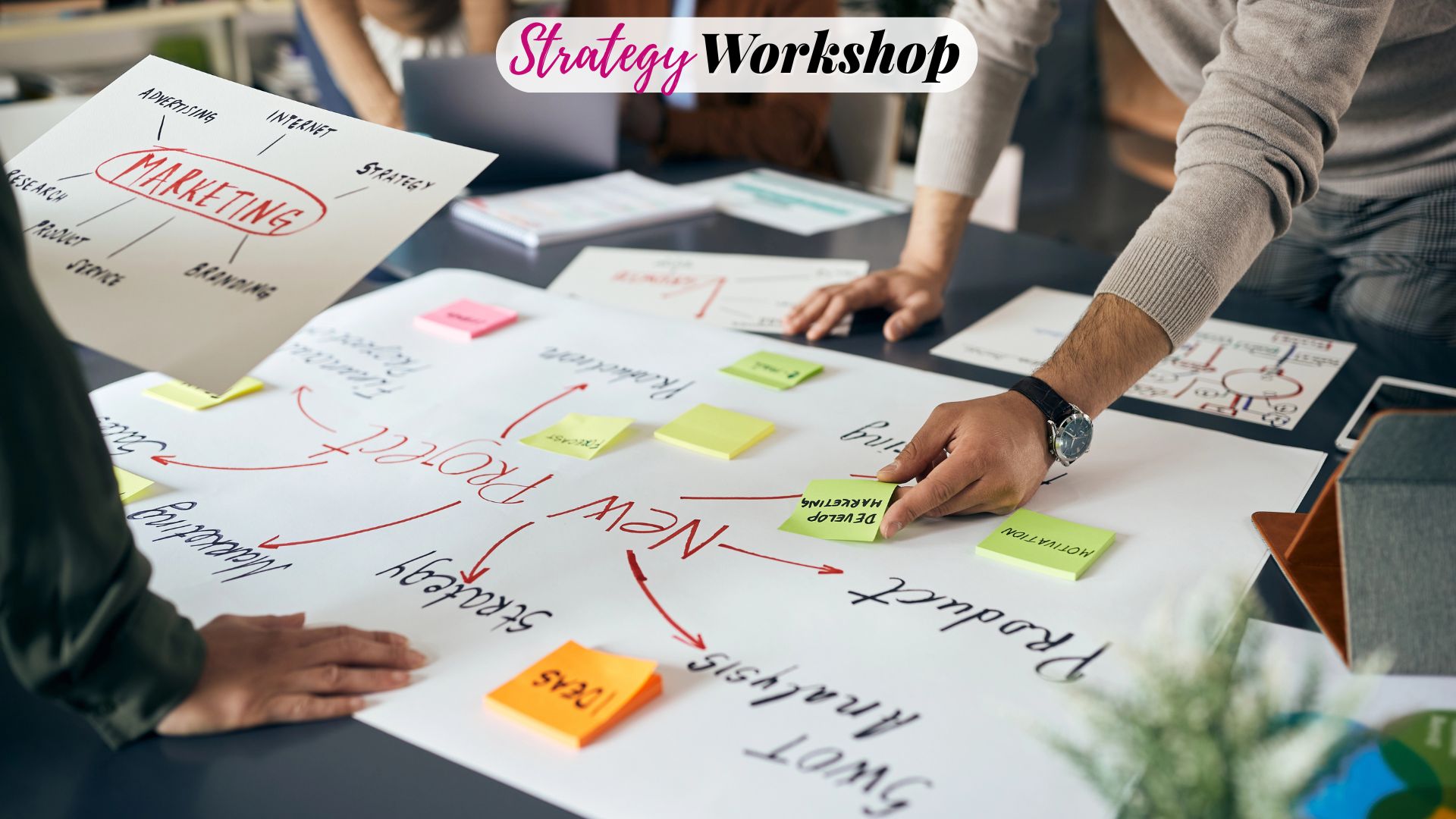
Strategy Workshop: Align Your Team and Define What Truly Matters

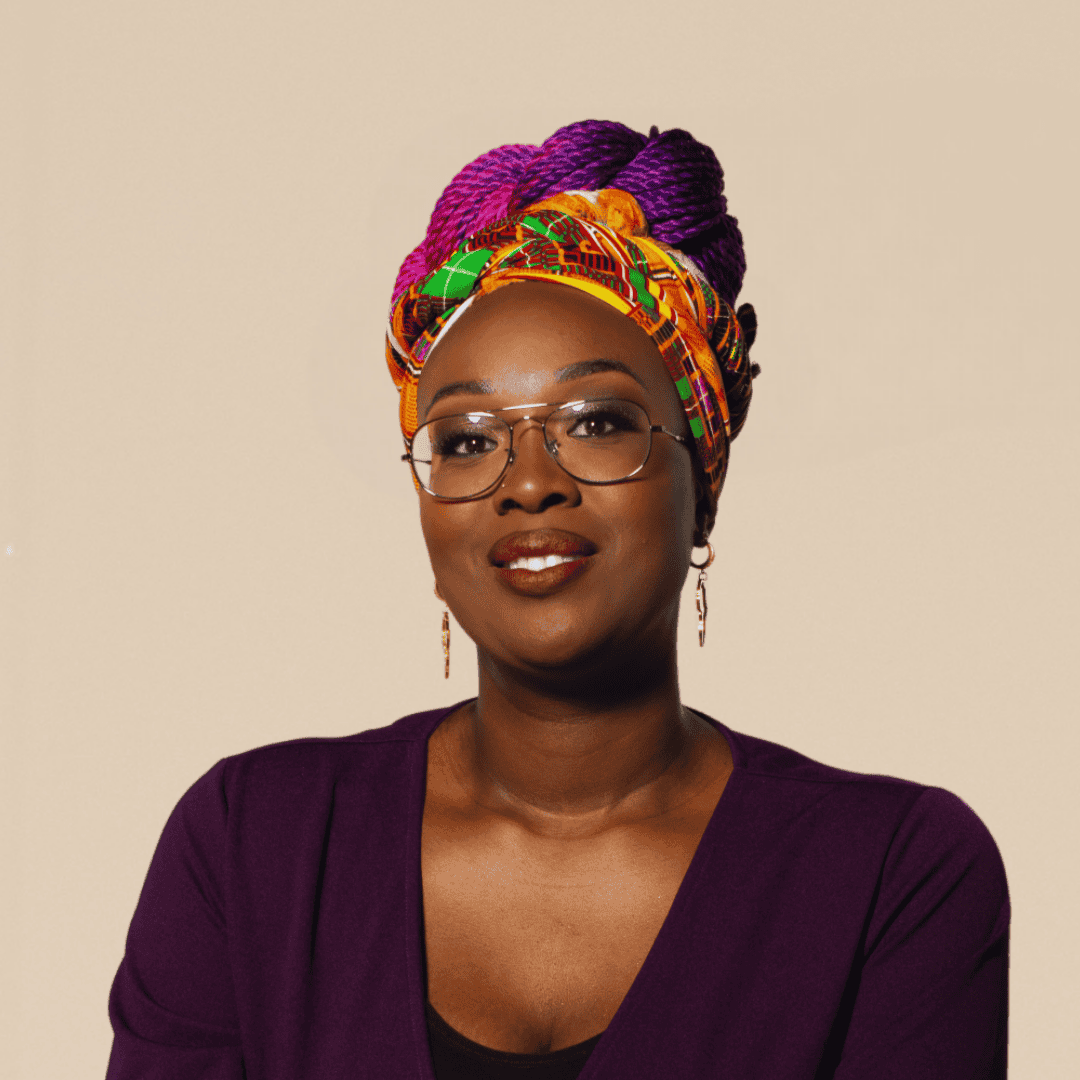
Vivian Acquah wearing a head wrap with purple ombre braids in an updo

In today’s fast-paced market, clarity is your greatest asset. Our tailored strategy workshops are designed to align your team, define clear priorities, and create an actionable roadmap for success. We facilitate impactful sessions for organisations across the globe, focusing on Europe and United States, helping you achieve focus and drive meaningful results.

When Should You Run a Strategy Workshop?

A facilitated strategy session is a powerful tool to ensure your team is moving in the same direction with purpose. Consider a workshop at these critical moments:

  • Annual Planning: Review the past year’s performance and set a clear, unified vision for the year ahead.
  • Quarterly Reviews: Reassess your strategic plan, adjust tactics, and ensure your short-term goals align with your long-term vision.
  • Strategic Inflection Points: Navigate major changes with confidence, whether you’re launching a new product, entering a new market, or responding to significant market shifts.
  • “Getting Unstuck”: Break through stagnation when team performance is lagging or decision-making has stalled. A focused session can rapidly solve problems and restore momentum.
  • Team Alignment: Bridge the gaps between departments and eliminate silos. Unify diverse teams under a single, compelling vision.
  • Post-Analysis/Data Review: Translate significant customer, competitor, or financial data into a coherent and decisive strategic shift.
  • Setting Core Purpose: Define or refine your company’s fundamental mission, vision, and core values to guide every decision.

Strategy Workshop: Our Structured Approach to Ensuring Results

We use a proven, structured process to transform discussions into decisions. Our workshops use practical templates and time-boxed activities to guarantee progress. A typical three-hour session guides your team through four key strategic areas:

  • North Star: Create an aspirational long-term vision. What does success look like for your organisation in five years?
  • 2-Year Goals: Define what success looks like in the medium term and, crucially, how you will measure it.
  • 3-Month Priorities: Identify the immediate focus areas for your teams to make the biggest impact towards your goals.
  • How to Win: Determine how to create or extend your unique and defendable advantages in the market.

Each strategic area follows a simple, effective three-step process: Create Options, Discuss, and Prioritise. This ensures all voices are heard and the most promising ideas are brought to the forefront. The workshop concludes with teams presenting their results, fostering shared ownership and immediate alignment.


Meet Your Interactive Strategy Workshop Facilitator: Vivian Acquah

Your workshop will be led by Vivian Acquah, a dedicated Inclusion Strategist, Workshop Facilitator and Certified Cultural Intelligence (CQ) Facilitator.

With a passion for amplifying effective collaboration, Vivian brings a vibrant, multi-faceted approach to facilitation that goes beyond standard training. She blends the strategic depth of inclusion work with the engaging power of design thinking to help participants with moving the needle. .

  • Inclusive Excellence: As a seasoned strategist, Vivian has guided numerous organisations in dismantling barriers and building bridges. She specialises in Cultural Intelligence (CQ), helping teams navigate cross-cultural complexities with empathy and effectiveness.
  • Creative Methodology: Leveraging her background as a creative storyteller, Vivian transforms dry corporate sessions into compelling narratives. She uses storytelling techniques to make complex concepts accessible, relatable, and memorable.
  • Action-Oriented Impact: Vivian is known for moving beyond awareness to action. Her sessions are designed to leave participants with practical tools and a “walking the talk” mindset, ensuring that inclusion becomes a daily practice rather than a theoretical concept.

Vivian’s dynamic facilitation style ensures that your team not only understands the theory for effective collaboration but feels empowered and inspired to drive meaningful change from within.

Ready to Plan Your Strategy Workshop?

Let’s work together to create clarity, focus, and impact for your organisation. We will get back to you within 2 business days with all the details.

Contact us today to discuss your challenge and design your next strategy workshop.

Hire Vivian Acquah CDE® to speak at your next event
or hire her for workshops!
Vivian is a great speaker who knows how to inspire an audience and convey a powerful message in a safe environment.

Vivian is available for virtual keynotes, events, summits, workshops, roundtable discussions, webinars and podcast interviews.

She knows how to inspire managers, inclusion professionals, HR professionals, L&D professionals and decision makers who want to do better when it comes to strengthening inclusion & employee sustainability.

Warning: it is important to share that Vivian Acquah CDE® may sometimes talk about food during a presentation or a lecture, a few times during this talk. Please have your (healthy) snacks ready. Vivian Acquah cannot be held responsible for any (unhealthy) cravings.


Inclusion Training/ Workshops
FAQ Design Thinking

What is Design Thinking, and why should our team care about it?

Design Thinking is an interactive, hands-on approach that helps teams tackle genuine business challenges creatively. Rather than relying on guesswork, it provides a structured methodology to understand real problems and develop innovative solutions.

Design Thinking equips your team with both the mindset and practical tools needed for innovation. The main benefit is that it transforms how your team approaches problems; moving from assumptions to customer-centred, evidence-based solutions. When implemented properly, Design Thinking delivers immediate business impact and creates a culture where fresh perspectives thrive.

Elevate your team’s performance with Design Thinking session provided by Vivian Acquah!


How does Design Thinking improve team collaboration?

Design Thinking creates structured opportunities for teams to work together meaningfully. It brings diverse departments and skill sets together, breaking down organisational silos. The process builds shared vocabulary and common understanding through collaborative activities like empathy mapping and brainstorming. Importantly,

Design Thinking creates psychological safety; team members feel comfortable sharing unconventional ideas without fear of judgment because the methodology explicitly encourages wild ideas during ideation. This collaborative culture leads to better solutions and increased employee engagement.

Elevate your team’s performance with Design Thinking session provided by Vivian Acquah!


What is psychological safety, and why does it matter in Design Thinking?

Psychological safety means team members feel secure sharing ideas, asking questions, and taking interpersonal risks without fear of embarrassment or punishment. It’s essential for design thinking because innovation requires people to suggest unconventional, even “silly” ideas.

When psychological safety is absent, team members stay silent and creativity dies. Leaders create psychological safety by modeling vulnerability, treating failure as learning, and ensuring all voices are heard equally.

Teams with high psychological safety perform better, innovate faster, and experience lower conflict.

Elevate your team’s performance with Design Thinking session provided by Vivian Acquah!


What's the difference between Design Thinking and traditional problem-solving?

Traditional problem-solving often jumps straight to solutions based on assumptions, whereas design thinking begins with deep user research. Design Thinking encourages diverse perspectives and creative brainstorming without judgment, which fosters better collaboration. The iterative testing approach reduces costly mistakes later.

Traditional methods are typically linear and solution-focused; Design Thinking is non-linear and human-centered, emphasising understanding user needs before developing solutions. This fundamental shift means you’re solving the right problem, not just a perceived one.

Elevate your team’s performance with a Design Thinking session provided by Vivian Acquah!


How does Vivian's facilitation style support our team?

Vivian’s dynamic facilitation ensures your team understands the design thinking theory while feeling genuinely empowered and inspired. She doesn’t simply teach the methodology; she guides teams to drive meaningful change from within. Her approach combines expert knowledge with an empowering style that builds confidence in your team’s ability to innovate.

This is particularly valuable for teams new to design thinking, as it creates psychological safety for creative thinking. Your team will leave not only understanding the process but also inspired to apply design thinking independently to future challenges.

Elevate your team’s performance with a Design Thinking session provided by Vivian Acquah!


What outcomes can we expect from a Concept Sprint?

A Concept Sprint produces tangible, validated results; not just ideas. You’ll exit with a concrete business asset, typically a prototype or minimum viable product (MVP), backed by customer insights and evidence of feasibility.

The process ensures your concept is customer-focused and commercially viable before moving forward. You’ll have validated whether your solution actually addresses customer needs and whether it’s viable for your business.

This validated concept is then ready for user testing or the next stage of implementation, significantly reducing risk and wasted resources.

Elevate your team’s performance with a Design Thinking session provided by Vivian Acquah!


How does a Design Thinking Sprint spark team alignment?

Design Thinking Sprints create alignment by bringing your entire team together around a shared challenge. The interactive format encourages diverse perspectives and collaborative problem-solving, ensuring everyone understands the challenge from multiple angles.

Through structured activities and guided facilitation, team members develop a common language and shared understanding. This burst of fresh perspectives renews momentum for innovation projects and breaks down departmental silos. The result is a unified team with renewed energy, aligned goals, and commitment to solving real business challenges together.

Elevate your team’s performance with a Design Thinking session provided by Vivian Acquah!


What's the difference between Design Thinking and traditional problem-solving?

Traditional problem-solving often jumps straight to solutions based on assumptions, whereas Design Thinking begins with deep user research.

Design Thinking encourages diverse perspectives and creative brainstorming without judgment, which fosters better collaboration. The iterative testing approach reduces costly mistakes later.

Traditional methods are typically linear and solution-focused; Design Thinking is non-linear and human-centred, emphasising understanding user needs before developing solutions. This fundamental shift means you’re solving the right problem, not just a perceived one.

Elevate your team’s performance with a Design Thinking session provided by Vivian Acquah!


Experience Design Thinking

Experience Design Thinking

Experience Design Thinking: Solve Real Challenges, Achieve Real Results


Vivian Acquah wearing a head wrap with purple ombre braids in an updo

Transform your team’s approach to innovation. Our Design Thinking workshops provide interactive, hands-on formats that equip your teams with the mindset and tools to tackle genuine business challenges. Learn the methodology, apply the principles, and create tangible outcomes with expert facilitation available across Europe.

We offer a range of in-company training and facilitated workshops designed to meet your specific goals. Whether you need a deep dive into the full process or a short, inspirational sprint, our formats deliver practical skills and immediate business impact.

Our Design Thinking Workshop Formats

Design Thinking Sprints (0.5–1 Day)

These short, focused sessions are designed to spark creativity, introduce fresh perspectives, and cultivate a customer-centric culture within your team.

  • Ideal for: Inspiring new ideas and creating team alignment.
  • Flexible Delivery: Available on-site at your company or delivered online.
  • Enhanced Impact: Often combined with a keynote on Design Thinking to set the stage.

Outcome: A shared understanding of challenges, a burst of fresh perspectives, and renewed momentum for your innovation projects.

Concept Sprints (3–4 Days)

An intensive, end-to-end format for teams ready to move beyond ideas and create validated, tangible results.

  • Comprehensive: We guide you from initial challenge framing all the way to concept validation.
  • Customer-Focused: A strong emphasis on understanding customer needs and ensuring business viability.
  • Action-Oriented: The goal is to produce a concrete asset for your business.

Outcome: A validated concept supported by a tangible prototype or MVP, ready for user testing or the next stage of implementation.


Meet Your Dynamic Workshop Facilitator: Vivian Acquah

Your workshop will be led by Vivian Acquah, a dedicated Inclusion Strategist, Workshop Facilitator and Certified Cultural Intelligence (CQ) Facilitator.

With a passion for amplifying effective collaboration, Vivian brings a vibrant, multi-faceted approach to facilitation that goes beyond standard training. She blends the strategic depth of inclusion work with the engaging power of design thinking to help participants with moving the needle. .

  • Inclusive Excellence: As a seasoned strategist, Vivian has guided numerous organisations in dismantling barriers and building bridges. She specialises in Cultural Intelligence (CQ), helping teams navigate cross-cultural complexities with empathy and effectiveness.
  • Creative Methodology: Leveraging her background as a creative storyteller, Vivian transforms dry corporate sessions into compelling narratives. She uses storytelling techniques to make complex concepts accessible, relatable, and memorable.
  • Action-Oriented Impact: Vivian is known for moving beyond awareness to action. Her sessions are designed to leave participants with practical tools and a “walking the talk” mindset, ensuring that inclusion becomes a daily practice rather than a theoretical concept.

Vivian’s dynamic facilitation style ensures that your team not only understands the theory for effective collaboration but feels empowered and inspired to drive meaningful change from within.

Ready to Build Your Team’s Innovation Muscle?

Let’s discuss your unique challenges and find the perfect workshop format for your organisation. We deliver practical, focused, and outcome-driven sessions in-company, online, or in a hybrid format across Europe, United States, in Dutch or in English.

Get in touch today to find the right solution for your team.

Hire Vivian Acquah CDE® to speak at your next event
or hire her for workshops!

Vivian is a great speaker who knows how to inspire an audience and convey a powerful message in a safe environment.

Vivian is available for virtual keynotes, events, summits, workshops, roundtable discussions, webinars and podcast interviews.

She knows how to inspire managers, inclusion professionals, HR professionals, L&D professionals and decision makers who want to do better when it comes to strengthening inclusion & employee sustainability.

Warning: it is important to share that Vivian Acquah CDE® may sometimes talk about food during a presentation or a lecture, a few times during this talk. Please have your (healthy) snacks ready. Vivian Acquah cannot be held responsible for any (unhealthy) cravings.


Inclusion Training/ Workshops
FAQ Design Thinking

What is Design Thinking, and why should our team care about it?

Design Thinking is an interactive, hands-on approach that helps teams tackle genuine business challenges creatively. Rather than relying on guesswork, it provides a structured methodology to understand real problems and develop innovative solutions.

Design Thinking equips your team with both the mindset and practical tools needed for innovation. The main benefit is that it transforms how your team approaches problems; moving from assumptions to customer-centred, evidence-based solutions. When implemented properly, Design Thinking delivers immediate business impact and creates a culture where fresh perspectives thrive.

Elevate your team’s performance with Design Thinking session provided by Vivian Acquah!


How does Design Thinking improve team collaboration?

Design Thinking creates structured opportunities for teams to work together meaningfully. It brings diverse departments and skill sets together, breaking down organisational silos. The process builds shared vocabulary and common understanding through collaborative activities like empathy mapping and brainstorming. Importantly,

Design Thinking creates psychological safety; team members feel comfortable sharing unconventional ideas without fear of judgment because the methodology explicitly encourages wild ideas during ideation. This collaborative culture leads to better solutions and increased employee engagement.

Elevate your team’s performance with Design Thinking session provided by Vivian Acquah!


What is psychological safety, and why does it matter in Design Thinking?

Psychological safety means team members feel secure sharing ideas, asking questions, and taking interpersonal risks without fear of embarrassment or punishment. It’s essential for design thinking because innovation requires people to suggest unconventional, even “silly” ideas.

When psychological safety is absent, team members stay silent and creativity dies. Leaders create psychological safety by modeling vulnerability, treating failure as learning, and ensuring all voices are heard equally.

Teams with high psychological safety perform better, innovate faster, and experience lower conflict.

Elevate your team’s performance with Design Thinking session provided by Vivian Acquah!


What's the difference between Design Thinking and traditional problem-solving?

Traditional problem-solving often jumps straight to solutions based on assumptions, whereas design thinking begins with deep user research. Design Thinking encourages diverse perspectives and creative brainstorming without judgment, which fosters better collaboration. The iterative testing approach reduces costly mistakes later.

Traditional methods are typically linear and solution-focused; Design Thinking is non-linear and human-centered, emphasising understanding user needs before developing solutions. This fundamental shift means you’re solving the right problem, not just a perceived one.

Elevate your team’s performance with a Design Thinking session provided by Vivian Acquah!


How does Vivian's facilitation style support our team?

Vivian’s dynamic facilitation ensures your team understands the design thinking theory while feeling genuinely empowered and inspired. She doesn’t simply teach the methodology; she guides teams to drive meaningful change from within. Her approach combines expert knowledge with an empowering style that builds confidence in your team’s ability to innovate.

This is particularly valuable for teams new to design thinking, as it creates psychological safety for creative thinking. Your team will leave not only understanding the process but also inspired to apply design thinking independently to future challenges.

Elevate your team’s performance with a Design Thinking session provided by Vivian Acquah!


What outcomes can we expect from a Concept Sprint?

A Concept Sprint produces tangible, validated results; not just ideas. You’ll exit with a concrete business asset, typically a prototype or minimum viable product (MVP), backed by customer insights and evidence of feasibility.

The process ensures your concept is customer-focused and commercially viable before moving forward. You’ll have validated whether your solution actually addresses customer needs and whether it’s viable for your business.

This validated concept is then ready for user testing or the next stage of implementation, significantly reducing risk and wasted resources.

Elevate your team’s performance with a Design Thinking session provided by Vivian Acquah!


How does a Design Thinking Sprint spark team alignment?

Design Thinking Sprints create alignment by bringing your entire team together around a shared challenge. The interactive format encourages diverse perspectives and collaborative problem-solving, ensuring everyone understands the challenge from multiple angles.

Through structured activities and guided facilitation, team members develop a common language and shared understanding. This burst of fresh perspectives renews momentum for innovation projects and breaks down departmental silos. The result is a unified team with renewed energy, aligned goals, and commitment to solving real business challenges together.

Elevate your team’s performance with a Design Thinking session provided by Vivian Acquah!


What's the difference between Design Thinking and traditional problem-solving?

Traditional problem-solving often jumps straight to solutions based on assumptions, whereas Design Thinking begins with deep user research.

Design Thinking encourages diverse perspectives and creative brainstorming without judgment, which fosters better collaboration. The iterative testing approach reduces costly mistakes later.

Traditional methods are typically linear and solution-focused; Design Thinking is non-linear and human-centred, emphasising understanding user needs before developing solutions. This fundamental shift means you’re solving the right problem, not just a perceived one.

Elevate your team’s performance with a Design Thinking session provided by Vivian Acquah!


Psychological Safety for Leaders

Psychological Safety for Leaders

A cartoon woman sits in front of a blue wall with chairs and a yellow light.

Psychological Safety for Leaders

In today’s fast-paced and high-pressure environments, leaders are expected to deliver results, drive innovation, and nurture a resilient organizational culture. But how can leaders achieve these goals while fostering trust, collaboration, and openness within their teams?

The answer lies in psychological safety.

Psychological Safety for Leaders is an engaging and practical workshop designed to equip leaders, executives, and managers with the tools and strategies to create a culture where individuals feel safe to speak up, take risks, and contribute their best ideas. This session goes beyond theory, offering real-world examples, interactive discussions, and actionable practices tailored to the unique challenges of leadership.

Participants will explore the essentials of psychological safety, including how to navigate power dynamics, lead effective 1-1s, and foster inclusive team environments. The workshop also emphasizes the importance of leaders caring for their own psychological safety, ensuring they can lead with resilience and authenticity. Whether you’re managing a team, leading an organization, or shaping strategy at the executive level, this workshop will empower you to lead with confidence and compassion.


Learning Objectives

  • Understand Psychological Safety in Leadership: Learn the theory and evidence behind psychological safety and its impact on team performance and innovation.
  • Develop Leadership Behaviors: Explore practical strategies and behaviors to foster trust, openness, and collaboration within your teams.
  • Navigate Power Dynamics: Gain insights into managing hierarchies, 1-1s, and meetings to create a safe and inclusive environment.
  • Address Diversity in Teams: Learn how cultural and neurodiversity influence psychological safety and how to lead inclusively across differences.
  • Care for Your Own Psychological Safety: Discover strategies to maintain your resilience and well-being as a leader while fostering a positive team culture.


Why This Workshop Matters

Psychological safety is the foundation of high-performing teams and resilient organizations. As a leader, your ability to create and sustain this environment is key to unlocking your team’s full potential. Join us for this transformative workshop and take the first step toward becoming a leader who inspires trust, innovation, and success.

Programme Format
The Psychological Safety for Leaders workshop is designed to fit seamlessly into your busy schedule, with flexible session durations ranging from 1.5 to 4 hours. This interactive and hands-on training combines theory, real-world examples, and practical exercises to ensure an engaging learning experience. Tailored to the unique challenges of leadership, the session encourages active participation, group discussions, and self-reflection, empowering leaders to apply their new skills immediately.


Hire Vivian Acquah CDE® to speak at your next event
or hire her for workshops!

Vivian is a great speaker who knows how to inspire an audience and convey a powerful message in a safe environment.

Vivian is available for virtual keynotes, events, summits, workshops, roundtable discussions, webinars and podcast interviews.

She knows how to inspire managers, inclusion professionals, HR professionals, L&D professionals and decision makers who want to do better when it comes to strengthening inclusion & employee sustainability.

Warning: it is important to share that Vivian Acquah CDE® may sometimes talk about food during a presentation or a lecture, a few times during this talk. Please have your (healthy) snacks ready. Vivian Acquah cannot be held responsible for any (unhealthy) cravings.

Inclusion Training/ Workshops

Psychological Safety for Leaders

What is Psychological Safety for Leaders?

Psychological safety for leaders means creating an environment where team members feel safe to express ideas, voice concerns, and admit errors without fear of reprisal. As a leader, you model vulnerability by sharing your own challenges. This builds trust, encourages open dialogue, and unlocks team potential.

Leaders who prioritise it foster innovation, better decisions, and higher engagement. It’s about making everyone feel valued and heard, transforming how teams collaborate and perform.

Elevate your team’s performance with the Psychological Safety for Leaders training!


Why is Psychological Safety Important for Leaders?

It helps leaders unlock team potential by encouraging open communication. Safe teams make fewer errors, innovate more, and stay engaged. Without it, fear stops people from speaking up, harming performance. Leaders who foster it see improved results, loyalty, and adaptability. It’s key for modern workplaces facing rapid change.

Elevate your team’s performance with the Psychological Safety for Leaders training!


How Can Leaders Build Psychological Safety?

Leaders start by admitting their own mistakes and asking for feedback. They listen without interrupting and thank people for input. Set clear rules against blame and celebrate learning from failures. Hold regular check-ins to build trust. Consistency over time creates a safe space where teams thrive.

Elevate your team’s performance with the Psychological Safety for Leaders training!


What Does a Psychologically Safe Team Look Like?

In a safe team, people freely share ideas in meetings, challenge decisions respectfully, and report problems early. Errors are discussed openly for lessons, not shame. Everyone feels valued, regardless of role. Leaders notice high energy, creativity, and quick problem-solving as signs of success.

Elevate your team’s performance with the Psychological Safety for Leaders training!


How Should Leaders Respond to Feedback?

Leaders should thank the giver, reflect on it calmly, and follow up with actions. Avoid defensiveness or excuses. Show how feedback improves decisions. This builds trust and encourages more input. Over time, it strengthens relationships and team performance.

Elevate your team’s performance with the Psychological Safety for Leaders training!


What are Common Barriers to Psychological Safety?

Barriers include blame culture, hierarchy that silences juniors, or leaders who dismiss ideas. Micromanaging or ignoring diversity also harms it. Past negative experiences make people cautious. Leaders must address these by modelling openness and fairness.

Elevate your team’s performance with the Psychological Safety for Leaders training!


How Can Leaders Measure Psychological Safety?

Use simple surveys asking if people feel safe to speak up or admit errors. Observe participation in meetings and track voluntary feedback. Monitor turnover and engagement levels. Regular anonymous checks help leaders spot issues early and improve.

Elevate your team’s performance with the Psychological Safety for Leaders training!


How Long Does It Take to Create Psychological Safety?

It can take weeks for initial trust but months for deep safety. Leaders need consistent effort like daily positive actions. Quick wins build momentum, but full change requires patience and reinforcement. Results grow with time and commitment.

Elevate your team’s performance with the Psychological Safety for Leaders training!


Psychological Safety Training for Teams

Psychological Safety Training for Teams

Amplify Empathie met Virtual Reality BNR Radio Kennisplatform Inclusief Samenleven Effectieve antidiscriminatie-interventie Vivian Acquah Anita Abaisa

Psychological Safety Training for Teams


A team’s true potential is unlocked when every member feels safe to speak up, take risks, and collaborate openly. Psychological Safety Training for Teams is an engaging and practical workshop designed to help teams build trust, improve communication, and create a culture where everyone thrives.

In this interactive session, participants will explore what psychological safety really means, why it’s essential for high-performing teams, and how to embed it into everyday team interactions. Through real-world case studies, hands-on exercises, and meaningful conversations, your team will learn how to strengthen collaboration, give and receive feedback effectively, and navigate challenges together.

Each workshop is tailored to your team’s unique needs and challenges, ensuring that the tools and strategies you gain are immediately applicable. By the end of the session, your team will leave with a shared understanding, a stronger sense of connection, and practical steps to continue fostering psychological safety in your workplace.

Learning objectives

  1. Understand Psychological Safety: Learn what it is and why it is the foundation of high-performing team success.
  2. Build Everyday Habits: Develop practical strategies to embed psychological safety into daily meetings and feedback.
  3. Strengthen Trust and Communication: Engage in exercises designed to improve open dialogue and interpersonal trust.
  4. Define Team Standards: Collaboratively design a Team Charter to align on shared behaviors and core values.
  5. Drive Continuous Improvement: Learn to run effective retrospectives and commit to tangible actions for a stronger culture.


What’s Included:

  • Tailored Workshop: A session customized to your team’s context, challenges, and goals.
  • Interactive Exercises: Hands-on activities and real conversations to build trust and collaboration.
  • Valuable Resources: Tools and materials to continue developing psychological safety beyond the session.
  • Psychological Safety Certificate: A credential to recognize your team’s commitment to fostering a safe and inclusive environment.


Format
Psychological Safety Training for Teams is an interactive workshop ranging from 4 hours to 2 days. Delivered virtually or in person, with time built in for peer-to-peer interaction with the audience and Q&A.


Why This Workshop Matters

Psychological safety is the foundation of a thriving team. It empowers individuals to share ideas, take risks, and work together effectively. Whether your team is newly formed or well-established, this workshop will help you create a culture where everyone feels valued, heard, and supported.

Reach out to unlock your team’s full potential and build a stronger, more connected workplace!


Interested in having Vivian Acquah CDE® speak at your
next event or hire her for workshops?

Vivian is a great speaker who knows how to inspire an audience and convey a powerful message in a safe environment.

Vivian is available for virtual keynotes, events, summits, workshops, roundtable discussions, webinars and podcast interviews.

She knows how to inspire managers, inclusion professionals, HR professionals, L&D professionals and decision makers who want to do better when it comes to strengthening inclusion & employee sustainability.

Warning: it is important to share that Vivian Acquah CDE® may sometimes talk about food during a presentation or a lecture, a few times during this talk. Please have your (healthy) snacks ready. Vivian Acquah cannot be held responsible for any (unhealthy) cravings.

Inclusion Training/ Workshop

Psychological Safety in Teams

What is Psychological Safety?

Psychological safety means team members feel secure to take risks without fearing punishment or embarrassment. They can share ideas, ask questions, and admit mistakes freely. This creates trust and openness. In such teams, people contribute authentically, leading to better collaboration and innovation. Leaders foster it by showing vulnerability and respecting all views. It’s key for high-performing teams.

Elevate your team’s performance with the Psychological Safety for Teams training!


Why Psychological Safety Important for Teams?

Psychological safety boosts team performance and wellbeing. People share ideas openly, report errors early, and innovate more. Without it, stress rises, engagement falls, and turnover increases. Employees self-censor, stifling creativity. It improves decisions by valuing diverse input. Teams with it adapt faster and retain talent. It’s vital for inclusive, successful workplaces.

Elevate your team’s performance with the Psychological Safety for Teams training!


How Can Managers Build Psychological Safety?

Managers build it by being open about their mistakes, listening actively, and responding positively to feedback. Invite input explicitly and protect against blame. Ensure confidentiality and value diverse opinions. Model inclusivity and follow through on promises. These actions signal safety, encouraging risk-taking and trust. Consistency over time strengthens team bonds.

Elevate your team’s performance with the Psychological Safety for Teams training!


What Happens When Psychological Safety is Missing?

Without psychological safety, teams suffer. Employees hide mistakes, withhold ideas, and disengage. Burnout and turnover rise. Collaboration weakens as self-protection dominates. Innovation stalls, and unresolved conflicts build. Toxic cultures emerge with gossip instead of dialogue. Performance drops, harming the organisation overall.

Elevate your team’s performance with the Psychological Safety for Teams training!


Can Psychological Safety Exist Alongside Accountability?

Yes, they work together well. Psychological safety allows admitting mistakes without fear, while accountability ensures responsibility for actions. Leaders address failures constructively as learning chances. Clear standards and support create ownership. Balanced teams outperform others by encouraging effort and growth.

Elevate your team’s performance with the Psychological Safety for Teams training!


How Do You Measure Psychological Safety?

Measure it via surveys asking if people feel safe sharing ideas, admitting errors, or seeking help. Track meeting participation and feedback openness. Use engagement scores, turnover data, and interviews. Regular checks identify issues and gauge progress from interventions.

Elevate your team’s performance with the Psychological Safety for Teams training!


What Specific Behaviours Threaten Psychological Safety?

Threats include public criticism, idea dismissal, blaming messengers, sarcasm, and breaches of trust. Micromanagement, favouritism, and inconsistency signal danger. These make people withdraw, fearing humiliation. Teams must spot and stop them to maintain safety.

Elevate your team’s performance with the Psychological Safety for Teams training!


How Long Does Building Psychological Safety Take?

It takes 3-6 months for initial gains, 12-18 months for deep trust. Depends on culture, leadership, and consistency. Small daily actions matter more than big events. It’s ongoing maintenance, not a one-off fix. Patience yields lasting results.

Elevate your team’s performance with the Psychological Safety for Teams training!


Empowering Leadership with Cultural Intelligence

Empowering Leadership with Cultural Intelligence

Amplify Empathie met Virtual Reality BNR Radio Kennisplatform Inclusief Samenleven Effectieve antidiscriminatie-interventie Vivian Acquah Anita Abaisa

Empowering Leadership with Cultural Intelligence

In today’s globalized and diverse workplace, effective leadership goes beyond managing tasks; it’s about understanding and leveraging the unique perspectives, values, and experiences that each team member brings to the table.

Empowering Team Leaders with Cultural Intelligence is a dynamic and interactive workshop designed to equip leaders with the skills and strategies needed to navigate cultural differences and foster inclusive, high-performing teams.

This workshop introduces the Cultural Intelligence (CQ®) model, a research-based framework that helps leaders work effectively across cultural boundaries;whether those differences are multinational, generational, ethnic, or organizational. Participants will explore the challenges and opportunities that come with leading diverse teams and learn how to reframe diversity as a source of synergy and innovation. Through real-world examples, self-reflection activities, and group discussions, leaders will gain practical tools to create an inclusive team culture that drives collaboration, trust, and performance.

The session goes beyond simply identifying cultural challenges. It emphasizes actionable strategies for applying the CQ model to real-life leadership scenarios, such as facilitating psychological safety, encouraging perspective-taking, and promoting intellectual honesty. Leaders will leave the workshop with a concrete action plan to enhance their cultural intelligence and lead their teams with greater confidence and effectiveness.

Whether you’re managing a multinational team, navigating generational differences, or striving to create a more inclusive workplace, this workshop will empower you to lead with Cultural Intelligence and transform your team dynamics.


Comprehensive Assessment Suite

  • CQ Pro Assessment & Feedback Report: Each participant receives an individual report measuring their skills in four distinct areas of cultural intelligence. This serves as a personal benchmark for growth.  View Sample Report
  • Individual Behavioral Preferences Report: Detailed feedback on personal work styles and preferences.  View Sample Report


Learning objectives

  1. Understand the CQ® Model: Learn the four key capabilities of Cultural Intelligence and how they apply to effective team leadership.
  2. Navigate Cultural Differences: Build skills to identify and leverage cultural differences to enhance team synergy and performance.
  3. Foster Psychological Safety: Develop strategies to create a safe and inclusive environment where team members feel valued and heard.
  4. Encourage Perspective-Taking: Learn techniques to understand and appreciate diverse viewpoints, driving better decision-making and collaboration.
  5. Reduce Bias in Hiring and Leadership: Use CQ skills and structured approaches to minimize bias in recruitment and team management.
  6. Create a CQ Development Plan: Develop a personalized roadmap to continue building your Cultural Intelligence and leadership effectiveness.

Format
Empowering Team Leaders with Cultural Intelligence is an interactive session of 4 hours, delivered virtually or in person, with time built in for peer-to-peer interaction with the audience and Q&A.


Interested in having Vivian Acquah CDE® speak at your
next event or hire her for workshops?

Vivian is a great speaker who knows how to inspire an audience and convey a powerful message in a safe environment.

Vivian is available for virtual keynotes, events, summits, workshops, roundtable discussions, webinars and podcast interviews.

She knows how to inspire managers, inclusion professionals, HR professionals, L&D professionals and decision makers who want to do better when it comes to strengthening inclusion & employee sustainability.

Warning: it is important to share that Vivian Acquah CDE® may sometimes talk about food during a presentation or a lecture, a few times during this talk. Please have your (healthy) snacks ready. Vivian Acquah cannot be held responsible for any (unhealthy) cravings.

Inclusion Training/ Workshop

What is Empowering Leadership with Cultural Intelligence?

What is Empowering Leadership with Cultural Intelligence?

Empowering Leadership involves giving team members autonomy, resources, and support to make decisions and take initiative. When combined with Cultural Intelligence (CQ), leaders adapt this approach to diverse cultural contexts, recognizing that empowerment looks different across cultures; like more guidance for high-power-distance teams versus independence for egalitarian ones. This creates inclusive, high-performing multicultural teams

Elevate your team’s performance with the CQ for teams training!


Why combine empowering leadership with CQ?

Cultural differences affect how people respond to empowerment. Some cultures value directive guidance, others prefer autonomy. CQ-equipped leaders read these cues, adjust their style, and build trust across backgrounds. This prevents misunderstandings, boosts engagement, and leverages diversity for innovation, making teams more resilient and productive in global settings.

Elevate your team’s performance with the CQ for teams training!


What are the four CQ dimensions leaders should use?

Leaders apply CQ Drive (motivation for cross-cultural work), CQ Knowledge (understanding cultural norms), CQ Strategy (planning and adapting in real-time), and CQ Action (flexible behaviors). These help tailor empowerment, offering coaching to indirect communicators or space for debate in consensus cultures, ensuring every team member thrives. 

Elevate your team’s performance with the CQ for teams training!


How does CQ improve psychological safety in empowered teams?

CQ helps leaders create safe spaces by validating diverse viewpoints and addressing cultural fears of failure or conflict. Empowering leaders with high CQ encourages open dialogue, models vulnerability, and adapts feedback styles, fostering trust so that team members from any culture feel safe to innovate and take risks. 

Elevate your team’s performance with the CQ for teams training!


What are examples of culturally intelligent empowering actions?

A leader might delegate fully to low-hierarchy cultures but provide structured check-ins for high-hierarchy ones, rotate meeting facilitation to amplify quiet voices, or celebrate collective wins in group-oriented teams. These actions show respect for differences while promoting growth and shared ownership. 

Elevate your team’s performance with the CQ for teams training!


How can leaders develop CQ for empowering leadership?

Start with CQ assessments, seek feedback from diverse team members, study cultural dimensions like individualism vs. collectivism, and practice adaptive delegation.

Attend CQ training, reflect on past interactions, and build diverse networks. Consistent effort turns cultural awareness into empowering leadership skills. 

Elevate your team’s performance with the CQ for teams training!


What challenges arise without CQ in empowering leadership?

Leaders may unintentionally disempower members by imposing one-size-fits-all autonomy, causing confusion in directive-preferring cultures or micromanaging in independent ones.

This situation leads to low morale, resistance, and turnover. CQ prevents these pitfalls by customizing empowerment to cultural realities.

Elevate your team’s performance with the CQ for teams training!


What results can teams expect from this leadership style?

Teams gain higher engagement, creativity, and performance as members feel valued and capable. Reduced cultural friction improves collaboration, speeds decisions, and enhances retention. Leaders foster innovation hubs where diverse ideas converge, driving business success in multicultural environments. 

Elevate your team’s performance with the CQ for teams training!