
Psychological Safety Training for Teams

Psychological Safety Training for Teams

Amplify Empathie met Virtual Reality BNR Radio Kennisplatform Inclusief Samenleven Effectieve antidiscriminatie-interventie Vivian Acquah Anita Abaisa

Psychological Safety Training for Teams


A team’s true potential is unlocked when every member feels safe to speak up, take risks, and collaborate openly. Psychological Safety Training for Teams is an engaging and practical workshop designed to help teams build trust, improve communication, and create a culture where everyone thrives.

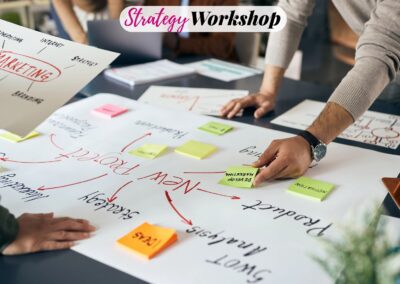
In this interactive session, participants will explore what psychological safety really means, why it’s essential for high-performing teams, and how to embed it into everyday team interactions. Through real-world case studies, hands-on exercises, and meaningful conversations, your team will learn how to strengthen collaboration, give and receive feedback effectively, and navigate challenges together.

Each workshop is tailored to your team’s unique needs and challenges, ensuring that the tools and strategies you gain are immediately applicable. By the end of the session, your team will leave with a shared understanding, a stronger sense of connection, and practical steps to continue fostering psychological safety in your workplace.

Learning objectives

  1. Understand Psychological Safety: Learn what it is and why it is the foundation of high-performing team success.
  2. Build Everyday Habits: Develop practical strategies to embed psychological safety into daily meetings and feedback.
  3. Strengthen Trust and Communication: Engage in exercises designed to improve open dialogue and interpersonal trust.
  4. Define Team Standards: Collaboratively design a Team Charter to align on shared behaviors and core values.
  5. Drive Continuous Improvement: Learn to run effective retrospectives and commit to tangible actions for a stronger culture.


What’s Included:

  • Tailored Workshop: A session customized to your team’s context, challenges, and goals.
  • Interactive Exercises: Hands-on activities and real conversations to build trust and collaboration.
  • Valuable Resources: Tools and materials to continue developing psychological safety beyond the session.
  • Psychological Safety Certificate: A credential to recognize your team’s commitment to fostering a safe and inclusive environment.


Format
Psychological Safety Training for Teams is an interactive workshop ranging from 4 hours to 2 days. Delivered virtually or in person, with time built in for peer-to-peer interaction with the audience and Q&A.


Why This Workshop Matters

Psychological safety is the foundation of a thriving team. It empowers individuals to share ideas, take risks, and work together effectively. Whether your team is newly formed or well-established, this workshop will help you create a culture where everyone feels valued, heard, and supported.

Reach out to unlock your team’s full potential and build a stronger, more connected workplace!


Interested in having Vivian Acquah CDE® speak at your
next event or hire her for workshops?
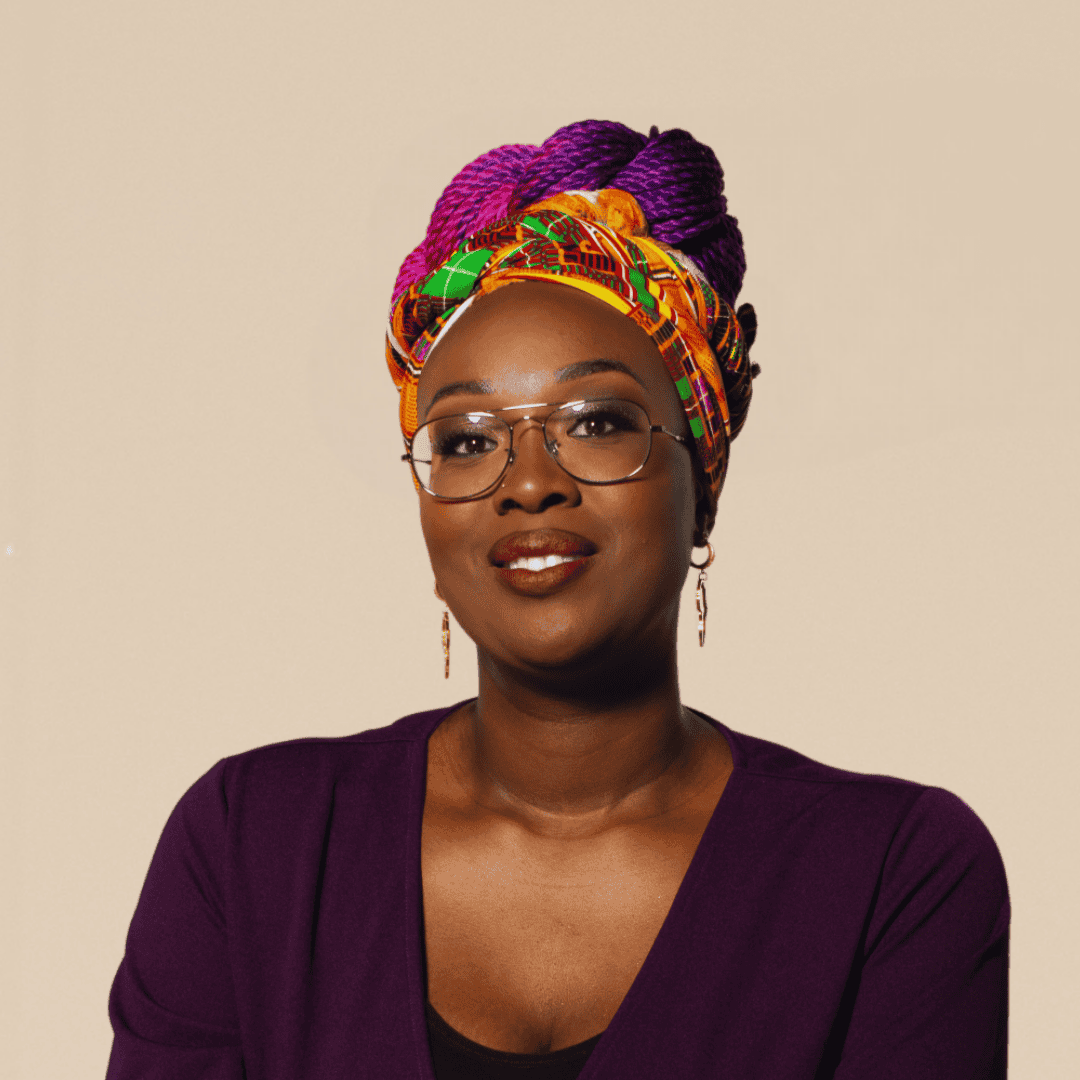
Vivian is a great speaker who knows how to inspire an audience and convey a powerful message in a safe environment.

Vivian is available for virtual keynotes, events, summits, workshops, roundtable discussions, webinars and podcast interviews.

She knows how to inspire managers, inclusion professionals, HR professionals, L&D professionals and decision makers who want to do better when it comes to strengthening inclusion & employee sustainability.

Warning: it is important to share that Vivian Acquah CDE® may sometimes talk about food during a presentation or a lecture, a few times during this talk. Please have your (healthy) snacks ready. Vivian Acquah cannot be held responsible for any (unhealthy) cravings.

Inclusion Training/ Workshop
Psychological Safety in Teams

What is Psychological Safety?

Psychological safety means team members feel secure to take risks without fearing punishment or embarrassment. They can share ideas, ask questions, and admit mistakes freely. This creates trust and openness. In such teams, people contribute authentically, leading to better collaboration and innovation. Leaders foster it by showing vulnerability and respecting all views. It’s key for high-performing teams.

Elevate your team’s performance with the Psychological Safety for Teams training!


Why Psychological Safety Important for Teams?

Psychological safety boosts team performance and wellbeing. People share ideas openly, report errors early, and innovate more. Without it, stress rises, engagement falls, and turnover increases. Employees self-censor, stifling creativity. It improves decisions by valuing diverse input. Teams with it adapt faster and retain talent. It’s vital for inclusive, successful workplaces.

Elevate your team’s performance with the Psychological Safety for Teams training!


How Can Managers Build Psychological Safety?

Managers build it by being open about their mistakes, listening actively, and responding positively to feedback. Invite input explicitly and protect against blame. Ensure confidentiality and value diverse opinions. Model inclusivity and follow through on promises. These actions signal safety, encouraging risk-taking and trust. Consistency over time strengthens team bonds.

Elevate your team’s performance with the Psychological Safety for Teams training!


What Happens When Psychological Safety is Missing?

Without psychological safety, teams suffer. Employees hide mistakes, withhold ideas, and disengage. Burnout and turnover rise. Collaboration weakens as self-protection dominates. Innovation stalls, and unresolved conflicts build. Toxic cultures emerge with gossip instead of dialogue. Performance drops, harming the organisation overall.

Elevate your team’s performance with the Psychological Safety for Teams training!


Can Psychological Safety Exist Alongside Accountability?

Yes, they work together well. Psychological safety allows admitting mistakes without fear, while accountability ensures responsibility for actions. Leaders address failures constructively as learning chances. Clear standards and support create ownership. Balanced teams outperform others by encouraging effort and growth.

Elevate your team’s performance with the Psychological Safety for Teams training!


How Do You Measure Psychological Safety?

Measure it via surveys asking if people feel safe sharing ideas, admitting errors, or seeking help. Track meeting participation and feedback openness. Use engagement scores, turnover data, and interviews. Regular checks identify issues and gauge progress from interventions.

Elevate your team’s performance with the Psychological Safety for Teams training!


What Specific Behaviours Threaten Psychological Safety?

Threats include public criticism, idea dismissal, blaming messengers, sarcasm, and breaches of trust. Micromanagement, favouritism, and inconsistency signal danger. These make people withdraw, fearing humiliation. Teams must spot and stop them to maintain safety.

Elevate your team’s performance with the Psychological Safety for Teams training!


How Long Does Building Psychological Safety Take?

It takes 3-6 months for initial gains, 12-18 months for deep trust. Depends on culture, leadership, and consistency. Small daily actions matter more than big events. It’s ongoing maintenance, not a one-off fix. Patience yields lasting results.

Elevate your team’s performance with the Psychological Safety for Teams training!


Empowering Leadership with Cultural Intelligence

Empowering Leadership with Cultural Intelligence

Amplify Empathie met Virtual Reality BNR Radio Kennisplatform Inclusief Samenleven Effectieve antidiscriminatie-interventie Vivian Acquah Anita Abaisa

Empowering Leadership with Cultural Intelligence

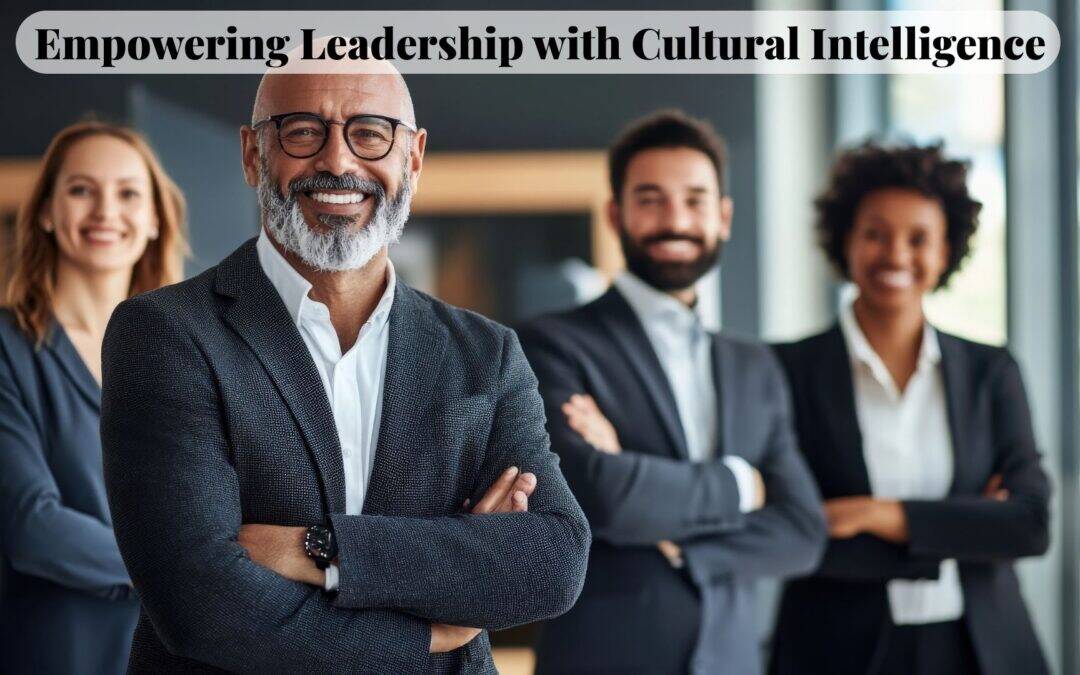
In today’s globalized and diverse workplace, effective leadership goes beyond managing tasks; it’s about understanding and leveraging the unique perspectives, values, and experiences that each team member brings to the table.

Empowering Team Leaders with Cultural Intelligence is a dynamic and interactive workshop designed to equip leaders with the skills and strategies needed to navigate cultural differences and foster inclusive, high-performing teams.

This workshop introduces the Cultural Intelligence (CQ®) model, a research-based framework that helps leaders work effectively across cultural boundaries;whether those differences are multinational, generational, ethnic, or organizational. Participants will explore the challenges and opportunities that come with leading diverse teams and learn how to reframe diversity as a source of synergy and innovation. Through real-world examples, self-reflection activities, and group discussions, leaders will gain practical tools to create an inclusive team culture that drives collaboration, trust, and performance.

The session goes beyond simply identifying cultural challenges. It emphasizes actionable strategies for applying the CQ model to real-life leadership scenarios, such as facilitating psychological safety, encouraging perspective-taking, and promoting intellectual honesty. Leaders will leave the workshop with a concrete action plan to enhance their cultural intelligence and lead their teams with greater confidence and effectiveness.

Whether you’re managing a multinational team, navigating generational differences, or striving to create a more inclusive workplace, this workshop will empower you to lead with Cultural Intelligence and transform your team dynamics.


Comprehensive Assessment Suite

  • CQ Pro Assessment & Feedback Report: Each participant receives an individual report measuring their skills in four distinct areas of cultural intelligence. This serves as a personal benchmark for growth.  View Sample Report
  • Individual Behavioral Preferences Report: Detailed feedback on personal work styles and preferences.  View Sample Report


Learning objectives

  1. Understand the CQ® Model: Learn the four key capabilities of Cultural Intelligence and how they apply to effective team leadership.
  2. Navigate Cultural Differences: Build skills to identify and leverage cultural differences to enhance team synergy and performance.
  3. Foster Psychological Safety: Develop strategies to create a safe and inclusive environment where team members feel valued and heard.
  4. Encourage Perspective-Taking: Learn techniques to understand and appreciate diverse viewpoints, driving better decision-making and collaboration.
  5. Reduce Bias in Hiring and Leadership: Use CQ skills and structured approaches to minimize bias in recruitment and team management.
  6. Create a CQ Development Plan: Develop a personalized roadmap to continue building your Cultural Intelligence and leadership effectiveness.

Format
Empowering Team Leaders with Cultural Intelligence is an interactive session of 4 hours, delivered virtually or in person, with time built in for peer-to-peer interaction with the audience and Q&A.


Interested in having Vivian Acquah CDE® speak at your
next event or hire her for workshops?

Vivian is a great speaker who knows how to inspire an audience and convey a powerful message in a safe environment.

Vivian is available for virtual keynotes, events, summits, workshops, roundtable discussions, webinars and podcast interviews.

She knows how to inspire managers, inclusion professionals, HR professionals, L&D professionals and decision makers who want to do better when it comes to strengthening inclusion & employee sustainability.

Warning: it is important to share that Vivian Acquah CDE® may sometimes talk about food during a presentation or a lecture, a few times during this talk. Please have your (healthy) snacks ready. Vivian Acquah cannot be held responsible for any (unhealthy) cravings.

Inclusion Training/ Workshop
What is Empowering Leadership with Cultural Intelligence?

What is Empowering Leadership with Cultural Intelligence?

Empowering Leadership involves giving team members autonomy, resources, and support to make decisions and take initiative. When combined with Cultural Intelligence (CQ), leaders adapt this approach to diverse cultural contexts, recognizing that empowerment looks different across cultures; like more guidance for high-power-distance teams versus independence for egalitarian ones. This creates inclusive, high-performing multicultural teams

Elevate your team’s performance with the CQ for teams training!


Why combine empowering leadership with CQ?

Cultural differences affect how people respond to empowerment. Some cultures value directive guidance, others prefer autonomy. CQ-equipped leaders read these cues, adjust their style, and build trust across backgrounds. This prevents misunderstandings, boosts engagement, and leverages diversity for innovation, making teams more resilient and productive in global settings.

Elevate your team’s performance with the CQ for teams training!


What are the four CQ dimensions leaders should use?

Leaders apply CQ Drive (motivation for cross-cultural work), CQ Knowledge (understanding cultural norms), CQ Strategy (planning and adapting in real-time), and CQ Action (flexible behaviors). These help tailor empowerment, offering coaching to indirect communicators or space for debate in consensus cultures, ensuring every team member thrives. 

Elevate your team’s performance with the CQ for teams training!


How does CQ improve psychological safety in empowered teams?

CQ helps leaders create safe spaces by validating diverse viewpoints and addressing cultural fears of failure or conflict. Empowering leaders with high CQ encourages open dialogue, models vulnerability, and adapts feedback styles, fostering trust so that team members from any culture feel safe to innovate and take risks. 

Elevate your team’s performance with the CQ for teams training!


What are examples of culturally intelligent empowering actions?

A leader might delegate fully to low-hierarchy cultures but provide structured check-ins for high-hierarchy ones, rotate meeting facilitation to amplify quiet voices, or celebrate collective wins in group-oriented teams. These actions show respect for differences while promoting growth and shared ownership. 

Elevate your team’s performance with the CQ for teams training!


How can leaders develop CQ for empowering leadership?

Start with CQ assessments, seek feedback from diverse team members, study cultural dimensions like individualism vs. collectivism, and practice adaptive delegation.

Attend CQ training, reflect on past interactions, and build diverse networks. Consistent effort turns cultural awareness into empowering leadership skills. 

Elevate your team’s performance with the CQ for teams training!


What challenges arise without CQ in empowering leadership?

Leaders may unintentionally disempower members by imposing one-size-fits-all autonomy, causing confusion in directive-preferring cultures or micromanaging in independent ones.

This situation leads to low morale, resistance, and turnover. CQ prevents these pitfalls by customizing empowerment to cultural realities.

Elevate your team’s performance with the CQ for teams training!


What results can teams expect from this leadership style?

Teams gain higher engagement, creativity, and performance as members feel valued and capable. Reduced cultural friction improves collaboration, speeds decisions, and enhances retention. Leaders foster innovation hubs where diverse ideas converge, driving business success in multicultural environments. 

Elevate your team’s performance with the CQ for teams training!


Cultural Intelligence for Teams

Cultural Intelligence for Teams

Amplify Empathie met Virtual Reality BNR Radio Kennisplatform Inclusief Samenleven Effectieve antidiscriminatie-interventie Vivian Acquah Anita Abaisa

 Description

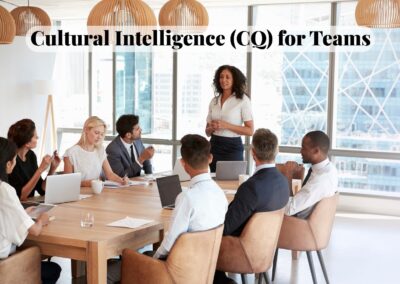
In today’s interconnected world, cultural differences, whether multinational, generational, ethnic, or organizational, can significantly impact team dynamics, communication, and overall effectiveness. How can teams turn these differences into strengths rather than barriers? The answer lies in Cultural Intelligence (CQ), a proven framework for navigating and leveraging cultural diversity.

This interactive workshop introduces the CQ® model, a research-based approach to understanding and improving cultural intelligence. You’ll gain practical strategies to optimize collaboration across cultural boundaries, enhance team processes, and achieve better outcomes. Through engaging discussions, real-world application exercises, and self-reflection activities, you’ll learn how to identify and address key cultural differences while fostering inclusion and synergy within your team.

The workshop is designed to provide actionable insights and tools that you can immediately apply in your professional environment. You’ll explore how cultural intelligence can help you adapt to diverse settings, build stronger relationships, and create a more inclusive and effective team culture. By the end of the session, you’ll leave with a personalized CQ development plan and the confidence to lead or contribute to culturally diverse teams with greater success.

Whether you’re working in a multinational organization, managing a generationally diverse team, or navigating cultural differences in any context, this workshop will equip you with the skills and knowledge to thrive. Join us to unlock the power of cultural intelligence and transform the way your team collaborates!

Comprehensive Assessment Suite

  • CQ Pro Assessment & Feedback Report: Each participant receives an individual report measuring their skills in four distinct areas of cultural intelligence. This serves as a personal benchmark for growth.  View Sample Report
  • Individual Behavioral Preferences Report: Detailed feedback on personal work styles and preferences.  View Sample Report
  • CQ Group Feedback Report: A collective view comparing everyone’s scores, highlighting the team’s overall strengths and gaps.  View Sample Report
  • Behavioral Preferences Team Profile: A visual map comparing all team members on one report, making it easy to spot potential friction points and synergies.  View Sample Report


Learning objectives

  1. Understand the impact of cultural differences on team dynamics and collaboration.
  2. Learn the four key capabilities of the CQ® model and how to apply them in diverse settings.
  3. Develop strategies to optimize team processes and outcomes using cultural intelligence.
  4. Increase awareness of your own cultural preferences and how they influence interactions.
  5. Create a personal CQ development plan to enhance your effectiveness in diverse teams.

Format
The Cultural Intelligence for Teams Training is an interactive session of 4 hours, delivered virtual or in person, with time built in for peer-to-peer interaction with the audience and Q&A.


Interested in having Vivian Acquah CDE® speak at your
next event or hire her for workshops?

Vivian is a great speaker who knows how to inspire an audience and convey a powerful message in a safe environment.

Vivian is available for virtual keynotes, events, summits, workshops, roundtable discussions, webinars and podcast interviews.

She knows how to inspire managers, inclusion professionals, HR professionals, L&D professionals and decision makers who want to do better when it comes to strengthening inclusion & employee sustainability.

Warning: it is important to share that Vivian Acquah CDE® may sometimes talk about food during a presentation or a lecture, a few times during this talk. Please have your (healthy) snacks ready. Vivian Acquah cannot be held responsible for any (unhealthy) cravings.

Inclusion Training/ Workshop

What is cultural intelligence (CQ) for teams?

What is cultural intelligence (CQ) for teams?

Cultural intelligence for teams is the team’s ability to recognize, understand, and adapt to cultural differences among members.

It helps diverse teams collaborate effectively, communicate better, and achieve stronger results by turning cultural diversity into a strength rather than a challenge.

Elevate your team’s performance with the CQ for teams training!


How does CQ differ from diversity training?

Diversity training focuses on awareness of differences and avoiding bias. CQ goes further by building practical skills to adapt behavior, make decisions, and solve problems across cultures. It’s measurable, learnable, and directly improves team performance.

Elevate your team’s performance with the CQ for teams training!


What are the four main parts of CQ?

  • Drive: Motivation to engage with other cultures.
  • Knowledge: Understanding cultural norms and values.
  • Strategy: Planning and adjusting in real-time.
  • Action: Changing behavior to fit the situation.

Elevate your team’s performance with the CQ for teams training!


Why do teams need cultural intelligence?

Modern teams are often global or multicultural. CQ reduces misunderstandings, builds trust, boosts innovation, and improves productivity. Without it, cultural clashes can cause conflict, poor decisions, and low morale. 

Elevate your team’s performance with the CQ for teams training!


How can a team measure its CQ?

Use validated CQ assessments for individuals, then aggregate team scores. Track team performance metrics like collaboration surveys, project success rates, and feedback on cross-cultural interactions.

Elevate your team’s performance with the CQ for teams training!


What challenges do low-CQ teams face?

Miscommunication, stereotypes, the exclusion of quieter members, delayed decisions, and unresolved conflicts are common issues in (virtual) teams.

Elevate your team’s performance with the CQ for teams training!


What are simple ways to build CQ in a team?

Hold regular “culture share” sessions, practice active listening, learn basic norms of teammates’ backgrounds, role-play scenarios, and celebrate cultural wins. Start small with daily check-ins on communication styles.

Elevate your team’s performance with the CQ for teams training!


Can any team improve its CQ?

Yes! CQ is a skill, not a fixed trait. With training, practice, and leadership support, all teams can develop it. Progress shows in better teamwork within weeks to months. 

Elevate your team’s performance with the CQ for teams training!


Mitigate Your Unconscious Bias

Mitigate Your Unconscious Bias

Mitigeer Jouw Unconscious Bias Vivian Acquah

Description

The Mitigate Your Unconscious Bias training is a transformative programme specifically designed to help participants gain a better understanding of how unconscious biases can negatively impact inclusion and high performance within teams.

This training programme goes beyond typical compliance-focused approaches by shifting the focus to individuals and identifying specific, effective behaviours that can help create more effective leaders and high performing teams.

Participants are encouraged to collaborate and engage in meaningful discussions to identify and address any biases, both conscious and unconscious, that may exist within their organisation.

By doing so, they can contribute to fostering a more inclusive work culture that embraces and values diversity, ensuring that all employees feel respected and empowered to thrive.

With its comprehensive and holistic training approach, Mitigate Your Unconscious Bias Training offers practical tools and strategies to help organisations recognise and challenge ingrained biases.

This training is an ideal solution for companies aiming to build a more equitable, inclusive, and high performance work environment where diverse perspectives are celebrated and innovation can flourish.


Learning objectives

  1. Understand the concept of unconscious bias and its impact on diversity, equity and inclusion, as well as on collaboration, decision-making and management.
  2. Recognise your own unconscious biases and learn strategies to reduce their influence on thoughts, actions and decisions.
  3. Develop effective communication skills to address and prevent unconscious bias behaviour in the workplace.
  4. Learn practical techniques for promoting an inclusive environment that recognises and values different perspectives.
  5. Discover tools and resources to support self-reflection and growth in addressing unconscious bias.


Format

This training is typically delivered as a 45-90 minute keynote, virtual or in person, with time built in for peer-to-peer interaction with the audience and Q&A. It can range from a short 25-minute TED-style talk to a 60-90 minute keynote to a half- or full-day workshop with extensive interactive exercises.


Interested in having Vivian Acquah CDE® speak at your
next event or hire her for workshops?

Vivian is a great speaker who knows how to inspire an audience and convey a powerful message in a safe environment.

Vivian is available for virtual keynotes, events, summits, workshops, roundtable discussions, webinars and podcast interviews.

She knows how to inspire managers, inclusion professionals, HR professionals, L&D professionals and decision makers who want to do better when it comes to strengthening inclusion & employee sustainability.

Warning: it is important to share that Vivian Acquah CDE® may sometimes talk about food during a presentation or a lecture, a few times during this talk. Please have your (healthy) snacks ready. Vivian Acquah cannot be held responsible for any (unhealthy) cravings.

Inclusion Training/ Workshops

Why is it important to mitigate unconscious biases at work?

Why is it important to mitigate unconscious biases at work?

Reducing unconscious bias improves fairness in workplace decisions by ensuring that choices related to hiring, promotions, pay, and daily interactions are based on objective criteria rather than stereotypes or personal preferences.

Elevate your team’s performance with our inclusion training!

How does reducing unconscious bias improve fairness in workplace decisions?

Reducing unconscious bias improves fairness in workplace decisions by ensuring that choices related to hiring, promotions, pay, and daily interactions are based on objective criteria rather than stereotypes or personal preferences. 

Elevate your team’s performance with our inclusion training!

Why is ongoing bias awareness crucial for maintaining workplace fairness?

Ongoing bias awareness is crucial for maintaining workplace fairness because unconscious biases are deeply ingrained, often operating without our conscious knowledge, and can continuously influence decisions, behaviours, and interactions over time.

Elevate your team’s performance with our inclusion training!

How does tackling bias enhance innovation and team collaboration

Tackling bias is not just about fairness—it is a strategic necessity for unlocking the full potential of diverse teams, driving innovation, and building stronger, more collaborative workplaces.

Elevate your team’s performance with our inclusion training!

In what ways does reducing bias strengthen collaboration among colleagues?

Reducing bias creates a workplace where collaboration thrives because colleagues trust each other, communicate openly, value diverse contributions, and feel safe to participate fully.

Elevate your team’s performance with our inclusion training!

In what ways does diverse hiring panel participation improve decision fairness?

Diverse hiring panels systematically reduce bias, broaden perspectives, and create a more transparent, equitable, and inclusive hiring process that benefits both candidates and organisations.

Elevate your team’s performance with our inclusion training!

Cultural Intelligence Training

Cultural Intelligence Training

Cultural Intelligence Training

Cultural Intelligence - Culturele Intelligentie Training Vivian Acquah

Description 

The Cultural Intelligence training is thoughtfully designed to address the needs of employees and teams, equipping them to navigate and overcome cultural differences effectively. This program aims to provide participants with practical tools to better understand and appreciate different cultures and perspectives. By fostering this understanding, participants can also learn to identify and harness the unique strengths that cultural differences bring to the table.

As organisations increasingly operate on a global scale and diversity within teams continues to grow, the ability to work successfully across cultures is more important than ever. The training offers a comprehensive approach to navigating intercultural situations in the workplace, ensuring employees are prepared for real-world scenarios. It incorporates the latest trends and cultural insights, enabling teams to understand the customs, values, and communication styles of colleagues and customers from various regions.

By promoting cultural awareness, the training not only reduces conflicts but also builds bridges where communication barriers once existed. This enhanced understanding fosters stronger relationships within teams and with external stakeholders. Team members are empowered to collaborate effectively across cultural boundaries, increasing overall productivity. Ultimately, the skills gained through this training help organisations achieve common goals with greater success in today’s interconnected world.


Learning objectives

  1. Understand the importance of cultural intelligence in today’s increasingly diverse work environment.
  2. Develop an awareness of your own cultural biases and assumptions, and learn strategies to overcome them.
  3. Gain insight into different cultural norms, values and communication styles, leading to a deeper understanding of different perspectives.
  4. Improve communication and collaboration skills to effectively navigate cultural differences and build stronger working relationships.
  5. Learn practical techniques for resolving conflicts that arise from cultural misunderstandings or miscommunication.

Format

The Cultural Intelligence training is usually delivered as a 45-90 minute keynote, virtual or in person, with time built in for peer-to-peer interaction with the audience and Q&A. It can range from a short 25-minute TED-style talk to a 60-90 minute keynote to a half-day or full-day workshop with extensive interactive exercises.

Interested in having Vivian Acquah CDE® speak at your
next event or hire her for workshops?

Vivian is a great speaker who knows how to inspire an audience and convey a powerful message in a safe environment.

Vivian is available for virtual keynotes, events, summits, workshops, roundtable discussions, webinars and podcast interviews.

She knows how to inspire managers, inclusion professionals, HR professionals, L&D professionals and decision makers who want to do better when it comes to strengthening inclusion & employee sustainability.

Warning: it is important to share that Vivian Acquah CDE® may sometimes talk about food during a presentation or a lecture, a few times during this talk. Please have your (healthy) snacks ready. Vivian Acquah cannot be held responsible for any (unhealthy) cravings.

Inclusion Training/ Workshops

Why is cultural intelligence important in the workplace?

Why is cultural intelligence important in the workplace?

Cultural intelligence is important in the workplace because it enables individuals and organizations to effectively navigate, communicate, and collaborate within increasingly diverse and globalized environments. 

Elevate your team’s performance with our inclusion training!

How does cultural intelligence improve teamwork across diverse backgrounds?

Cultural intelligence (CQ) significantly improves teamwork across diverse backgrounds by equipping individuals and teams with the skills, mindset, and strategies needed to understand, respect, and leverage cultural differences for better collaboration and performance.

Elevate your team’s performance with our inclusion training!

How can developing cultural intelligence boost employee engagement and retention?

Developing cultural intelligence transforms workplace culture into one where all employees feel seen, heard, and valued, leading to higher engagement, stronger loyalty, and lower turnover.

Elevate your team’s performance with our inclusion training!

How does cultural intelligence create a stronger sense of belonging for employees?

Cultural intelligence is foundational for belonging because it transforms diversity into inclusion—making sure that all employees not only have a seat at the table but also feel welcomed, valued, and empowered to contribute fully.

Elevate your team’s performance with our inclusion training!

How can CQ facilitate understanding and reduce biases that threaten psychological safety?

Cultural intelligence (CQ)addresses the roots of bias and misunderstanding by fostering self-awareness, empathy, and adaptability, thereby creating a psychologically safe workplace where all employees can thrive.

Elevate your team’s performance with our inclusion training!

How does developing CQ lead to more inclusive team collaboration and innovation?

Developing CQ transforms diversity from a potential source of conflict into a powerful driver of collaboration and innovation.

It enables teams to work inclusively, leverage their full range of talents, and consistently deliver creative, high-impact results.

Elevate your team’s performance with our inclusion training!