Navigating Courageous Conversations For Productive Outcomes

Navigating Courageous Conversations For Productive Outcomes

Navigating Courageous Conversations for Productive Outcomes
Navigeer Door Moedige Gesprekken Voor Productieve Resultaten - Vivian Acquah

Description

The Navigating Courageous Conversations for Productive Outcomes training goes beyond simply teaching communication skills to employees and managers. It is a transformative programme that can fundamentally change the way participants conduct conversations and build relationships.

The program begins by laying a strong foundation in communication principles, with an emphasis on active listening and non-judgmental communication. These skills are essential for creating a safe and respectful environment in which every individual feels free to express their opinion.

Participants then have the opportunity to deepen their skills by learning how to conduct difficult conversations. This includes training in empathy, assertiveness and conflict management, which teaches participants how to prevent misunderstandings, manage disagreements effectively and arrive at constructive solutions.

In addition, the programme focuses on the art of timely and effective feedback. Participants learn how to give and receive constructive criticism in a way that promotes growth and development, rather than provoking defensiveness and resistance.

But what really sets this programme apart is its emphasis on practical application. Through role-playing, group discussions and other interactive exercises, employees and managers have the opportunity to practise the skills they have learned in a safe and supportive environment.

The end result is a work environment where courageous conversations are encouraged, diversity of thought is valued, and all team members feel respected and appreciated. This not only leads to a more inclusive culture, but also to increased productivity and effectiveness as a result of improved collaboration and understanding.

Learning objectives

  1. Understand the importance of courageous conversations in promoting trust and inclusivity in the workplace.
  2. Develop active listening skills to better understand and empathise with diverse perspectives and experiences.
  3. Improve communication skills by engaging in non-judgmental dialogue and providing timely constructive feedback.
  4. Explore effective conflict resolution methods that focus on collaboration and mutual understanding.
  5. Learn strategies for initiating and facilitating courageous conversations on complex topics, including diversity, equity, and inclusion.

Format

The Navigating Courageous Conversations for Productive Outcomes training is typically delivered as a 2-hour workshop, virtual or in person, with time built in for peer-to-peer interaction with the audience and Q&A. It can range from a short 25-minute TED-style talk to a 60-90 minute keynote to a half- or full-day workshop with extensive interactive exercises.


Hire Vivian Acquah CDE® to speak at your next event
or hire her for workshops!

Vivian is a great speaker who knows how to inspire an audience and convey a powerful message in a safe environment.

Vivian is available for virtual keynotes, events, summits, workshops, roundtable discussions, webinars and podcast interviews.

She knows how to inspire managers, inclusion professionals, HR professionals, L&D professionals and decision makers who want to do better when it comes to strengthening inclusion & employee sustainability.

Warning: it is important to share that Vivian Acquah CDE® may sometimes talk about food during a presentation or a lecture, a few times during this talk. Please have your (healthy) snacks ready. Vivian Acquah cannot be held responsible for any (unhealthy) cravings.

Inclusion Training/Workshop

Why are courageous conversations at work important?

Why are courageous conversations at work important?

Courageous conversations at work are important because they create a foundation for genuine inclusion, trust, and growth within an organisation.

These are honest, open dialogues that address complex and sometimes uncomfortable topics—such as race, gender, privilege, and other aspects of identity—that are often avoided but essential to address for a healthy workplace culture.

Elevate your team’s performance with our inclusion training!

Why are honest dialogues essential for driving workplace innovation?

Honest dialogues are the engine of workplace innovation.

They build trust, harness diverse perspectives, enable creative problem-solving, and foster an environment where all employees can contribute their best ideas—ultimately driving sustained organizational success.

Elevate your team’s performance with our inclusion training!

What role do courageous conversations play in resolving conflicts effectively

Courageous and honest dialogues play a vital role in resolving workplace conflicts effectively by creating a structured, empathetic, and open environment where misunderstandings can be clarified, emotions can be expressed, and collaborative solutions can be found.

Elevate your team’s performance with our inclusion training!

How can I develop skills to handle uncomfortable but necessary discussions?

Developing skills for handling difficult conversations involves practicing key strategies, like addressing issues promptly, clarifying goals, and choosing a neutral setting.

Show empathy, manage emotions, and focus on solutions to build trust and find resolutions.

Regular practice can turn these conversations into opportunities for growth and stronger relationships.

Elevate your team’s performance with our inclusion training!

How can I practice empathy to make uncomfortable discussions more productive

You can practice empathy to make uncomfortable discussions more productive by intentionally focusing on understanding and validating the other person’s perspective, emotions, and needs.

Elevate your team’s performance with our inclusion training!

How does assuming good intentions change the outcome of tough talks?

You can practice empathy to make uncomfortable discussions more productive by intentionally focusing on understanding and validating the other person’s perspective, emotions, and needs.

Elevate your team’s performance with our inclusion training!

Deactivate Microaggressions

Deactivate Microaggressions

Deactivate Microaggressions

Deactiveer Microagressies Vivian Acquah Inclusie Exclusie

Description

The ‘Deactivate Microaggressions’ training is a crucial tool for transforming workplaces into environments where respect and appreciation for diversity are the norm. The training helps participants understand that microaggressions, although subtle, have a profound effect on people’s well-being and the overall productivity of a team.

The training begins by defining what microaggressions are and illustrating how they manifest in everyday interactions. This is followed by a detailed explanation of the impact of these suble acts of exclusion, where participants learn how such behaviours can undermine psychological safety, disrupt collaboration and influence decision-making.

An essential part of the training is providing strategies and techniques for recognising and addressing the subtle acts of exclusion. Participants learn how to identify these harmful behaviours, both in their own behaviour and in that of others, and how to take the necessary steps to eliminate them. This can range from addressing the person who committed the microaggression to promoting policies that discourage such behaviour.

In addition, the training strongly emphasises the importance of building an inclusive organisational culture. Participants receive practical tips and guidelines on how to create an environment that celebrates diversity and offers equal opportunities to all. The programme encourages team members to actively contribute to creating a positive workplace where everyone feels valued and supported.

This training will equip leaders and team members with the knowledge and skills necessary to combat microaggressions and create a work environment that promotes respect, understanding and collaboration.


Learning objectives

  1. Define microaggressions and share examples of microaggressions in action in the workplace.
  2. Describe the origins of the subtle acts of exclusion and the ways in which they affect the lives of colleagues.
  3. Understand the role of unconscious bias in perpetuating these suble acts of exclusion and learn strategies to recognise and reduce these biases.
  4. Develop effective communication skills to address and prevent microaggressions in workplace interactions.
  5. Learn practical techniques to intervene and support colleagues who experience microaggressions.

Format

This training is typically delivered as a 45-90 minute keynote, virtual or in person, with time built in for peer-to-peer interaction with the audience and Q&A. It can range from a short 25-minute TED-style talk to a 60-90 minute keynote to a half- or full-day workshop with extensive interactive exercises.

Hire Vivian Acquah CDE® to speak at your next event
or hire her for workshops!

Vivian is a great speaker who knows how to inspire an audience and convey a powerful message in a safe environment.

Vivian is available for virtual keynotes, events, summits, workshops, roundtable discussions, webinars and podcast interviews.

She knows how to inspire managers, inclusion professionals, HR professionals, L&D professionals and decision makers who want to do better when it comes to strengthening inclusion & employee sustainability.

Warning: it is important to share that Vivian Acquah CDE® may sometimes talk about food during a presentation or a lecture, a few times during this talk. Please have your (healthy) snacks ready. Vivian Acquah cannot be held responsible for any (unhealthy) cravings.

Inclusion Training/ Workshops

Why is it important to address microaggressions at work?

Why is it important to address microaggressions at work?

Addressing microaggressions is not just about preventing harm—it is fundamental to building a healthy, productive, and inclusive workplace where all employees can thrive.

Elevate your team’s performance with our inclusion training!
Why is it important to address microaggressions at work?

Addressing microaggressions is crucial for fostering a respectful work culture because these subtle, often unintentional acts of bias or discrimination can have profound and lasting negative effects on individuals and the overall workplace environment.

Elevate your team’s performance with our inclusion training!
How do microaggressions undermine trust and respect in the workplace?

Microaggressions undermine trust and respect in the workplace by sending subtle but persistent signals that certain individuals or groups are less valued, respected, or included. 

Elevate your team’s performance with our inclusion training!
How does fostering awareness of microaggressions contribute to a more inclusive culture?

Fostering awareness of microaggressions contributes to a more inclusive culture by helping individuals and organisations recognise, prevent, and address subtle forms of exclusion or bias that undermine belonging and respect.

Elevate your team’s performance with our inclusion training!

How do micro-inclusions strengthen your sense of belonging at work?

Micro-inclusions—small, intentional acts of inclusion such as inviting input, recognizing contributions, and offering encouragement—directly strengthen your sense of belonging at work in several powerful ways.

Elevate your team’s performance with our inclusion training!
How does practicing micro-inclusions influence my confidence at work?

Micro-inclusions do more than create a pleasant atmosphere—they fundamentally transform your workplace experience by building your confidence, validating your expertise, and reinforcing your importance to the team’s success.

Elevate your team’s performance with our inclusion training!
Mitigate Your Unconscious Bias

Mitigate Your Unconscious Bias

Mitigeer Jouw Unconscious Bias Vivian Acquah

Description

The Mitigate Your Unconscious Bias training is a transformative programme specifically designed to help participants gain a better understanding of how unconscious biases can negatively impact inclusion and high performance within teams.

This training programme goes beyond typical compliance-focused approaches by shifting the focus to individuals and identifying specific, effective behaviours that can help create more effective leaders and high performing teams.

Participants are encouraged to collaborate and engage in meaningful discussions to identify and address any biases, both conscious and unconscious, that may exist within their organisation.

By doing so, they can contribute to fostering a more inclusive work culture that embraces and values diversity, ensuring that all employees feel respected and empowered to thrive.

With its comprehensive and holistic training approach, Mitigate Your Unconscious Bias Training offers practical tools and strategies to help organisations recognise and challenge ingrained biases.

This training is an ideal solution for companies aiming to build a more equitable, inclusive, and high performance work environment where diverse perspectives are celebrated and innovation can flourish.


Learning objectives

  1. Understand the concept of unconscious bias and its impact on diversity, equity and inclusion, as well as on collaboration, decision-making and management.
  2. Recognise your own unconscious biases and learn strategies to reduce their influence on thoughts, actions and decisions.
  3. Develop effective communication skills to address and prevent unconscious bias behaviour in the workplace.
  4. Learn practical techniques for promoting an inclusive environment that recognises and values different perspectives.
  5. Discover tools and resources to support self-reflection and growth in addressing unconscious bias.


Format

This training is typically delivered as a 45-90 minute keynote, virtual or in person, with time built in for peer-to-peer interaction with the audience and Q&A. It can range from a short 25-minute TED-style talk to a 60-90 minute keynote to a half- or full-day workshop with extensive interactive exercises.


Interested in having Vivian Acquah CDE® speak at your
next event or hire her for workshops?

Vivian is a great speaker who knows how to inspire an audience and convey a powerful message in a safe environment.

Vivian is available for virtual keynotes, events, summits, workshops, roundtable discussions, webinars and podcast interviews.

She knows how to inspire managers, inclusion professionals, HR professionals, L&D professionals and decision makers who want to do better when it comes to strengthening inclusion & employee sustainability.

Warning: it is important to share that Vivian Acquah CDE® may sometimes talk about food during a presentation or a lecture, a few times during this talk. Please have your (healthy) snacks ready. Vivian Acquah cannot be held responsible for any (unhealthy) cravings.

Inclusion Training/ Workshops

Why is it important to mitigate unconscious biases at work?

Why is it important to mitigate unconscious biases at work?

Reducing unconscious bias improves fairness in workplace decisions by ensuring that choices related to hiring, promotions, pay, and daily interactions are based on objective criteria rather than stereotypes or personal preferences.

Elevate your team’s performance with our inclusion training!
How does reducing unconscious bias improve fairness in workplace decisions?

Reducing unconscious bias improves fairness in workplace decisions by ensuring that choices related to hiring, promotions, pay, and daily interactions are based on objective criteria rather than stereotypes or personal preferences. 

Elevate your team’s performance with our inclusion training!
Why is ongoing bias awareness crucial for maintaining workplace fairness?

Ongoing bias awareness is crucial for maintaining workplace fairness because unconscious biases are deeply ingrained, often operating without our conscious knowledge, and can continuously influence decisions, behaviours, and interactions over time.

Elevate your team’s performance with our inclusion training!

How does tackling bias enhance innovation and team collaboration

Tackling bias is not just about fairness—it is a strategic necessity for unlocking the full potential of diverse teams, driving innovation, and building stronger, more collaborative workplaces.

Elevate your team’s performance with our inclusion training!

In what ways does reducing bias strengthen collaboration among colleagues?

Reducing bias creates a workplace where collaboration thrives because colleagues trust each other, communicate openly, value diverse contributions, and feel safe to participate fully.

Elevate your team’s performance with our inclusion training!

In what ways does diverse hiring panel participation improve decision fairness?

Diverse hiring panels systematically reduce bias, broaden perspectives, and create a more transparent, equitable, and inclusive hiring process that benefits both candidates and organisations.

Elevate your team’s performance with our inclusion training!

Cultural Intelligence Training

Cultural Intelligence Training

Cultural Intelligence Training

Cultural Intelligence - Culturele Intelligentie Training Vivian Acquah

Description 

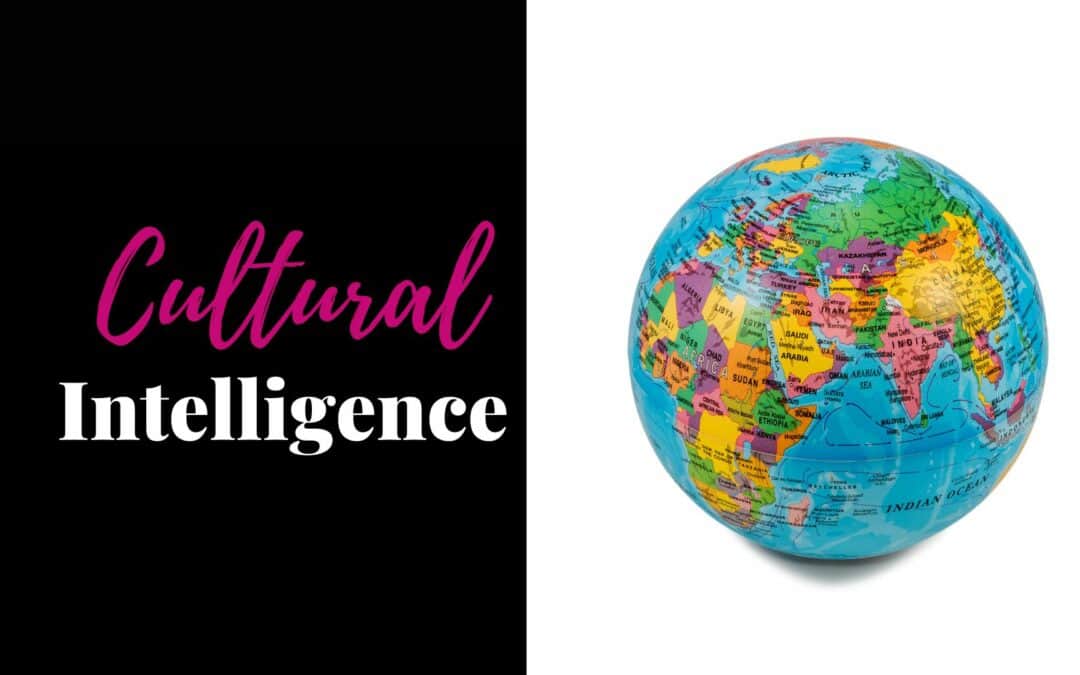
The Cultural Intelligence training is thoughtfully designed to address the needs of employees and teams, equipping them to navigate and overcome cultural differences effectively. This program aims to provide participants with practical tools to better understand and appreciate different cultures and perspectives. By fostering this understanding, participants can also learn to identify and harness the unique strengths that cultural differences bring to the table.

As organisations increasingly operate on a global scale and diversity within teams continues to grow, the ability to work successfully across cultures is more important than ever. The training offers a comprehensive approach to navigating intercultural situations in the workplace, ensuring employees are prepared for real-world scenarios. It incorporates the latest trends and cultural insights, enabling teams to understand the customs, values, and communication styles of colleagues and customers from various regions.

By promoting cultural awareness, the training not only reduces conflicts but also builds bridges where communication barriers once existed. This enhanced understanding fosters stronger relationships within teams and with external stakeholders. Team members are empowered to collaborate effectively across cultural boundaries, increasing overall productivity. Ultimately, the skills gained through this training help organisations achieve common goals with greater success in today’s interconnected world.


Learning objectives

  1. Understand the importance of cultural intelligence in today’s increasingly diverse work environment.
  2. Develop an awareness of your own cultural biases and assumptions, and learn strategies to overcome them.
  3. Gain insight into different cultural norms, values and communication styles, leading to a deeper understanding of different perspectives.
  4. Improve communication and collaboration skills to effectively navigate cultural differences and build stronger working relationships.
  5. Learn practical techniques for resolving conflicts that arise from cultural misunderstandings or miscommunication.

Format

The Cultural Intelligence training is usually delivered as a 45-90 minute keynote, virtual or in person, with time built in for peer-to-peer interaction with the audience and Q&A. It can range from a short 25-minute TED-style talk to a 60-90 minute keynote to a half-day or full-day workshop with extensive interactive exercises.

Interested in having Vivian Acquah CDE® speak at your
next event or hire her for workshops?

Vivian is a great speaker who knows how to inspire an audience and convey a powerful message in a safe environment.

Vivian is available for virtual keynotes, events, summits, workshops, roundtable discussions, webinars and podcast interviews.

She knows how to inspire managers, inclusion professionals, HR professionals, L&D professionals and decision makers who want to do better when it comes to strengthening inclusion & employee sustainability.

Warning: it is important to share that Vivian Acquah CDE® may sometimes talk about food during a presentation or a lecture, a few times during this talk. Please have your (healthy) snacks ready. Vivian Acquah cannot be held responsible for any (unhealthy) cravings.

Inclusion Training/ Workshops

Why is cultural intelligence important in the workplace?

Why is cultural intelligence important in the workplace?

Cultural intelligence is important in the workplace because it enables individuals and organizations to effectively navigate, communicate, and collaborate within increasingly diverse and globalized environments. 

Elevate your team’s performance with our inclusion training!

How does cultural intelligence improve teamwork across diverse backgrounds?

Cultural intelligence (CQ) significantly improves teamwork across diverse backgrounds by equipping individuals and teams with the skills, mindset, and strategies needed to understand, respect, and leverage cultural differences for better collaboration and performance.

Elevate your team’s performance with our inclusion training!

How can developing cultural intelligence boost employee engagement and retention?

Developing cultural intelligence transforms workplace culture into one where all employees feel seen, heard, and valued, leading to higher engagement, stronger loyalty, and lower turnover.

Elevate your team’s performance with our inclusion training!

How does cultural intelligence create a stronger sense of belonging for employees?

Cultural intelligence is foundational for belonging because it transforms diversity into inclusion—making sure that all employees not only have a seat at the table but also feel welcomed, valued, and empowered to contribute fully.

Elevate your team’s performance with our inclusion training!

How can CQ facilitate understanding and reduce biases that threaten psychological safety?

Cultural intelligence (CQ)addresses the roots of bias and misunderstanding by fostering self-awareness, empathy, and adaptability, thereby creating a psychologically safe workplace where all employees can thrive.

Elevate your team’s performance with our inclusion training!

How does developing CQ lead to more inclusive team collaboration and innovation?

Developing CQ transforms diversity from a potential source of conflict into a powerful driver of collaboration and innovation.

It enables teams to work inclusively, leverage their full range of talents, and consistently deliver creative, high-impact results.

Elevate your team’s performance with our inclusion training!

Amplify Empathy with Virtual Reality

Amplify Empathy with Virtual Reality

Amplify Empathie met Virtual Reality BNR Radio Kennisplatform Inclusief Samenleven Effectieve antidiscriminatie-interventie Vivian Acquah Anita Abaisa

 Description

Fantastic news! The Amplify Empathy with Virtual Reality training programme has been approved by the Kennisplatform Inclusief Samenleven ( Dutch Knowledge Platform for Inclusive Living) as an effective anti-discrimination intervention.

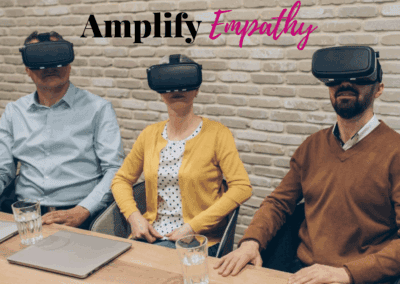
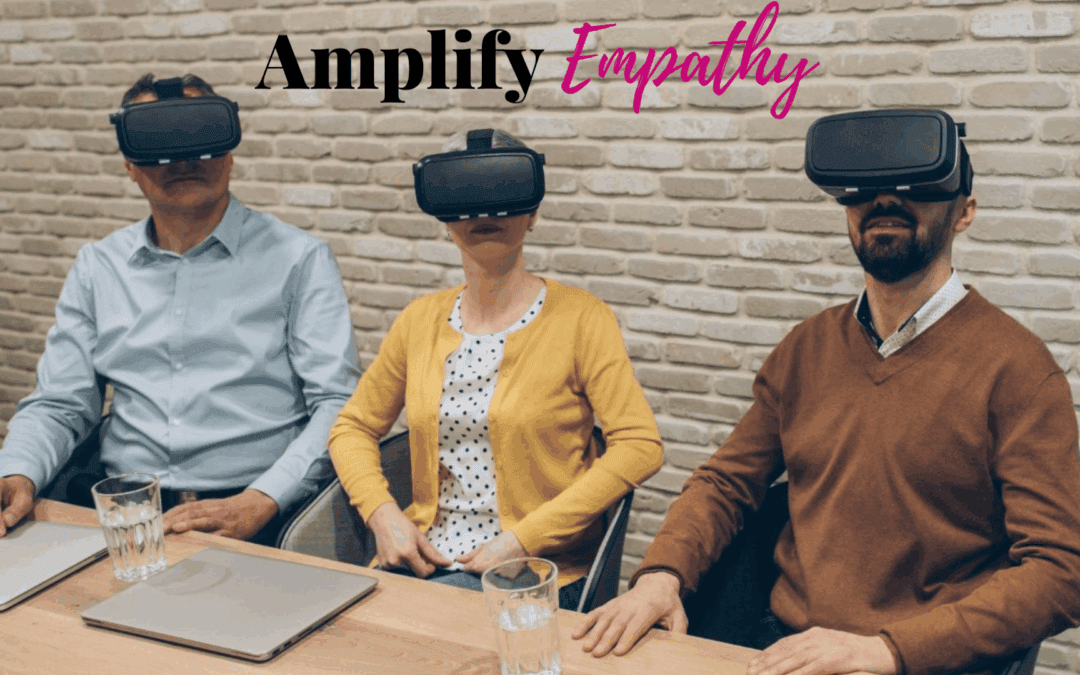
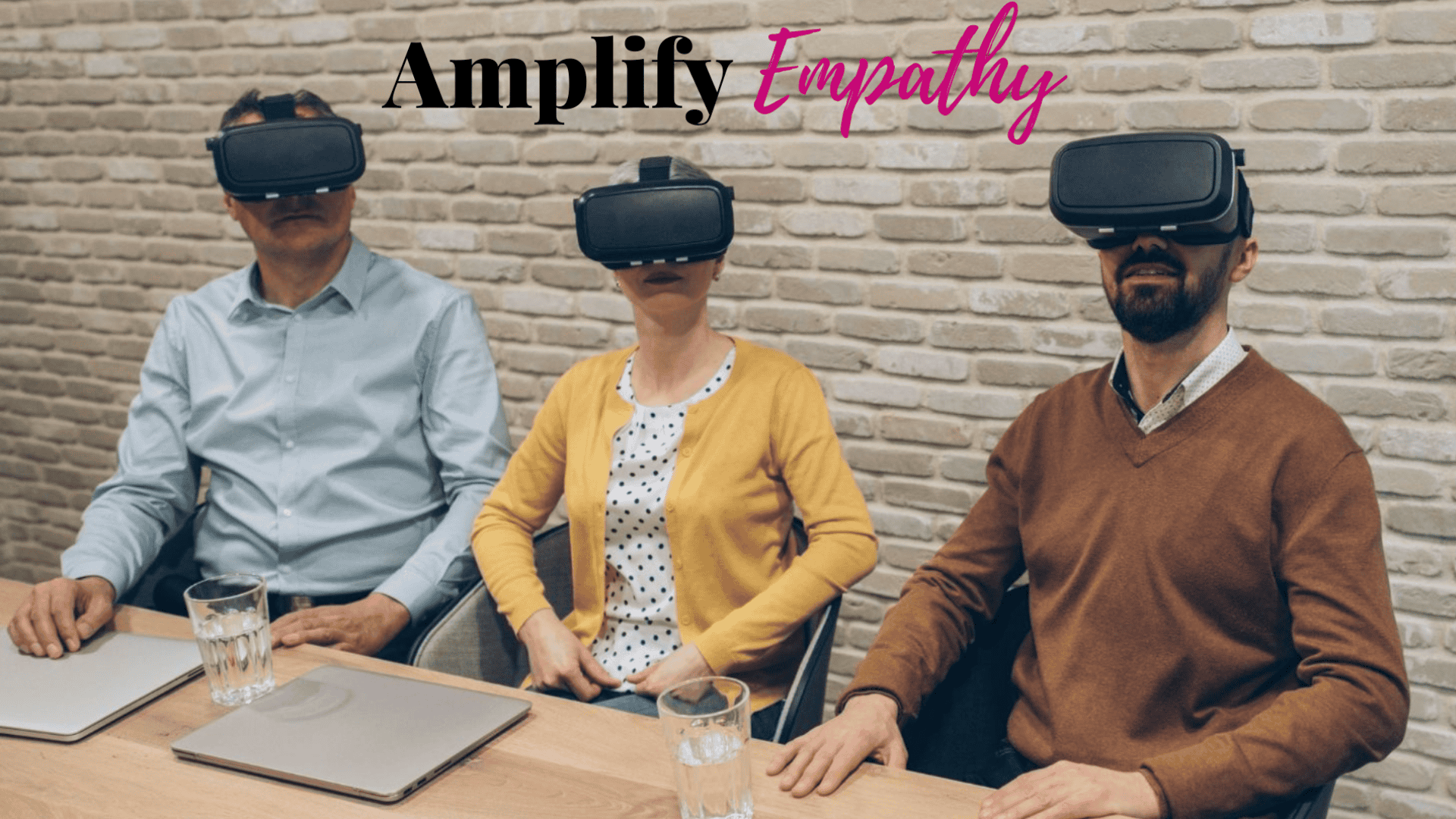
The Amplify Empathy with Virtual Reality training uses the most advanced technology to create a safe, supportive and effective learning environment. It offers participants the opportunity to step into the shoes of others and experience life from their perspective. This helps to understand the prejudices and behaviours that affect underrepresented groups and slowly break them down as empathy grows.

This innovative training is designed to strengthen empathy and thereby contribute to diversity, equity and inclusion (DEI) in the workplace.

Through virtual reality, participants can immerse themselves in different realistic scenarios and situations. This helps them gain a deeper understanding and appreciation of the experiences and challenges of others, ultimately leading to greater empathy and understanding within teams.

The training also goes beyond simply building empathy. It promotes nuanced communication and interpersonal awareness, which are essential for fostering a positive and productive work culture. With the tools and insights provided in this training, teams can approach complex and sensitive interpersonal situations with greater depth and sensitivity.

In short, the Amplify Empathy with Virtual Reality training programme is not only an investment in your employees, but also in the future of your organisation. By investing in a healthy, inclusive and empathetic work environment, you contribute to the overall well-being, job satisfaction and retention of your employees.

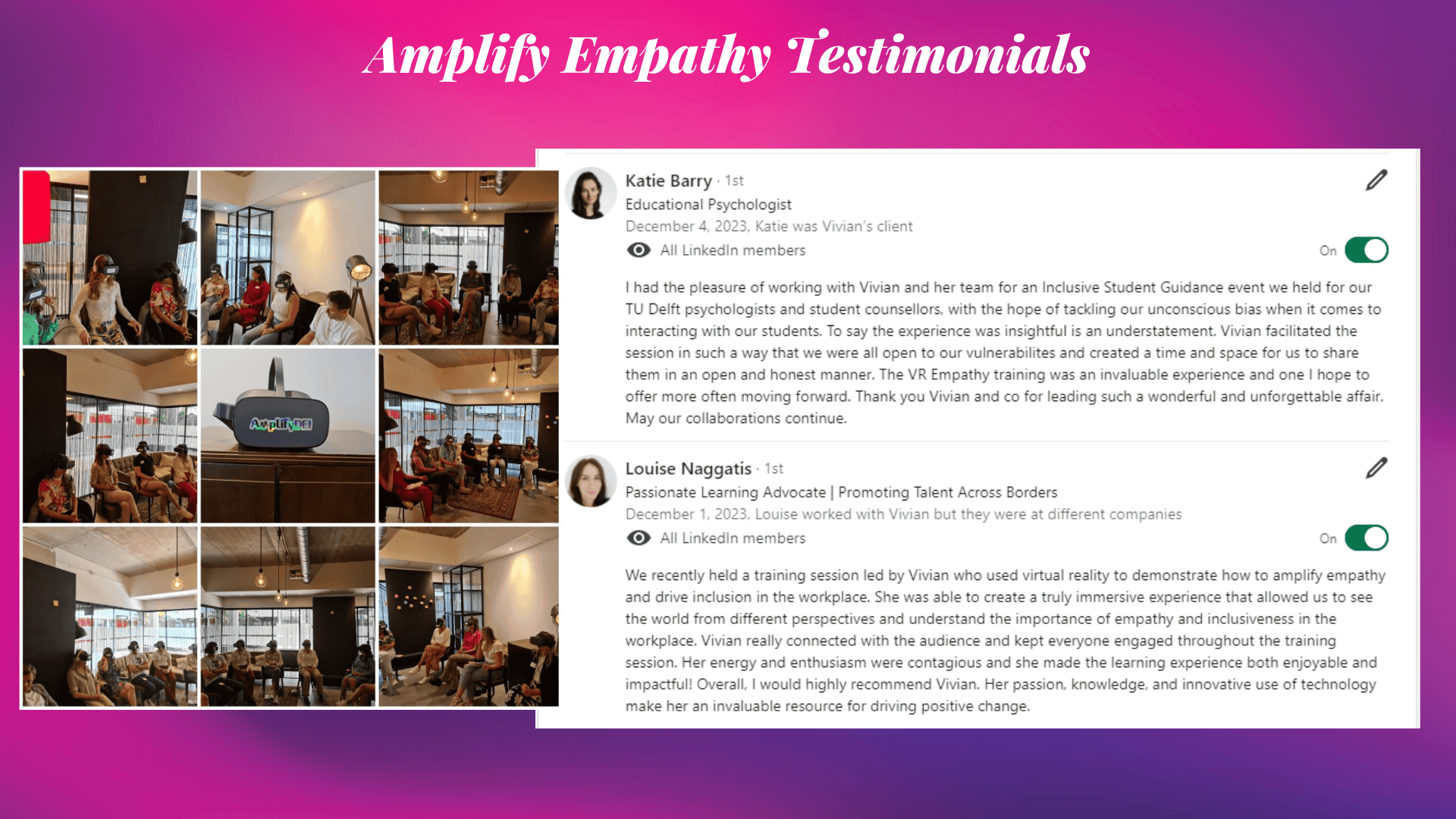
This training has received multiple 8+ ratings for the impact it has had on the lives of participants.

Click here to watch the video from VodafoneZiggo, in which 100 leaders experienced what it is like to walk in someone else’s shoes.

Click here for the story of Heineken, where Procument leaders strengthened their empathy.

Learning objectives

  1. Understand the importance of empathy in promoting a healthy and inclusive work environment.
  2. Experience compelling virtual reality scenarios that provide insight into different perspectives and challenges faced by colleagues.
  3. Develop emotional intelligence and active listening skills to better understand and support team members from different backgrounds.
  4. Participate in meaningful group discussions and question-and-answer sessions to reflect on personal experiences and learn from others.
  5. Identify and implement micro-actions that contribute to creating a more equitable and supportive workplace.


Format

The Amplify Empathy with Virtual Reality Training is structured as follows: a maximum group size of 10 people, an interactive session of 3.5 hours, followed by a presentation and question-and-answer session of 20 minutes, for a total of 4 hours of immersive learning. (It is also possible to train 100 people in one day.) The training can be shortened to 3 hours per session.

Through this unique combination of virtual reality experiences and interactive discussions, participants will be empowered to create a more empathetic, fair and inclusive work environment for everyone.

Interested in having Vivian Acquah CDE® speak at your
next event or hire her for workshops?

Vivian is a great speaker who knows how to inspire an audience and convey a powerful message in a safe environment.

Vivian is available for virtual keynotes, events, summits, workshops, roundtable discussions, webinars and podcast interviews.

She knows how to inspire managers, inclusion professionals, HR professionals, L&D professionals and decision makers who want to do better when it comes to strengthening inclusion & employee sustainability.

Warning: it is important to share that Vivian Acquah CDE® may sometimes talk about food during a presentation or a lecture, a few times during this talk. Please have your (healthy) snacks ready. Vivian Acquah cannot be held responsible for any (unhealthy) cravings.

Inclusion Training/ Workshop

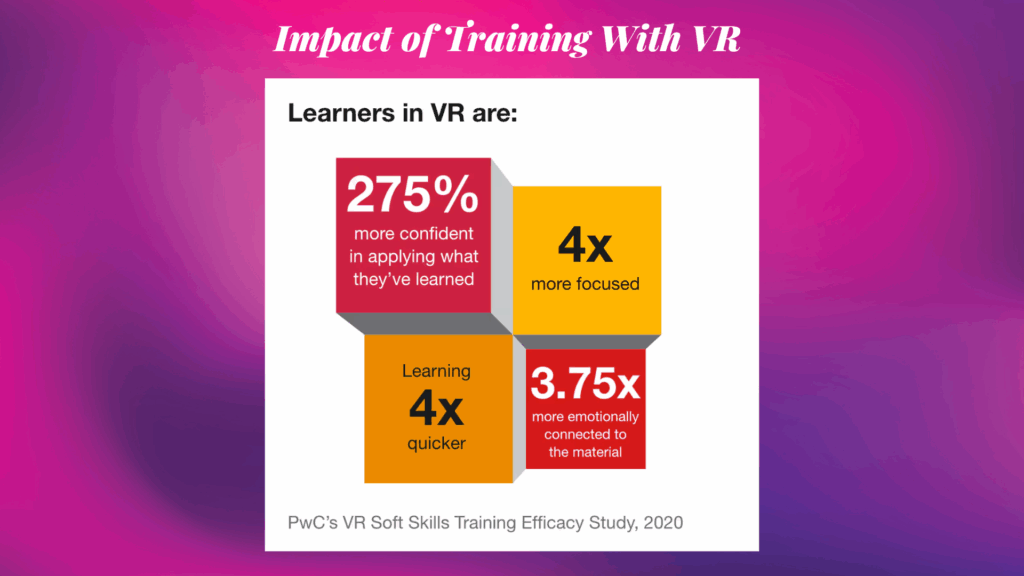
What is the impact of using Virtual Reality for Inclusion training?

What is the impact of using Virtual Reality for Inclusion training?

VR inclusion training stands out for its ability to foster empathy, improve bias recognition, and provide a safe, engaging, and effective learning environment.

This leads to more inclusive behaviors, stronger team cohesion, and a workplace culture where diversity is better understood and valued.

Elevate your team’s performance with our inclusion training!

How does VR training improve my ability to recognize unconscious biases?

VR training is highly effective for helping you recognise unconscious biases because it simulates real-world experiences, enhances empathy, and provides practical, memorable lessons that translate into greater awareness and action in the workplace.

Elevate your team’s performance with our inclusion training!

Why is VR more effective than traditional methods for recognizing biases?

Virtual Reality (VR) is more effective than traditional methods for recognising biases because it provides an immersive, experiential learning environment that directly engages participants’ emotions, perspectives, and cognitive processes in ways that lectures or e-learning cannot.

Elevate your team’s performance with our inclusion training!

Why do immersive experiences in VR lead to better bias awareness?

Immersive experiences in Virtual Reality (VR) lead to better bias awareness because they allow individuals to directly embody the perspectives of others, making the effects of bias and exclusion deeply personal and memorable.

Elevate your team’s performance with our inclusion training!

In what ways does VR help me understand societal biases better than other methods?

Virtual Reality (VR) helps you understand societal biases better than other methods by providing immersive, first-person experiences that foster empathy, perspective-taking, and deep self-reflection—key factors in recognising and addressing bias.

Elevate your team’s performance with our inclusion training!

Why is perspective-taking in VR more effective than reading or watching about bias

Perspective-taking in Virtual Reality (VR) is more effective than reading or watching about bias because it creates a deeply immersive, first-person experience that directly engages both emotions and cognition, leading to greater empathy, awareness, and behavioral change.

Elevate your team’s performance with our inclusion training!