
Inclusive Recruitment
Inclusive Hiring & Selection
Give Every Talent a Fair Chance; From First Impression to Final Decision

Many organisations want to become more diverse, but find that their hiring process quietly works against them. Bias shapes decisions faster than we realise and that costs organisations the talent they cannot afford to miss.
The Inclusive Hiring & Selection training, led by Vivian Acquah; inclusion strategist and CQ facilitator, helps your organisation build fairer, more objective recruitment and selection processes. Not as a one-off initiative, but as lasting, structural change.
The Problem
Hiring feels objective. It rarely is. Confirmation bias, stereotyping, and other unconscious biases influence who gets invited to interview, who makes a strong impression, and who ultimately gets the job. The result is that organisations keep selecting the same profiles, and miss out on candidates who could have made a real difference.
This training makes visible what usually goes unnoticed, and gives participants practical tools to hire and select more fairly.
Who Is This Training For?
This training is designed for anyone who plays a role in recruitment, selection, or team development. It is particularly well suited for:
- HR professionals and recruiters who want to introduce more objective selection processes
- Leaders and managers who take part in interviews or make hiring decisions
- DEI champions and people managers who want to embed inclusion into everyday practice
- Teams looking to reflect on their current composition and actively promote greater diversity
- Organisations of any size that are serious about giving all candidates equal opportunities
You do not need to be an expert in diversity and inclusion. An open mind and a genuine commitment to fairer hiring are more than enough to get started.
What the Training Includes
The training combines awareness, reflection, and hands-on practice. Participants actively engage with the content; not just through theory, but through situations they recognise from their own working lives.
Exploring Bias in Recruitment
The training starts with a deep dive into the most common biases in hiring processes. Participants learn what confirmation bias and stereotyping are, how they develop, and how they influence selection decisions; often without anyone noticing. Building this awareness helps participants make more conscious and more equitable choices.
The Competency Game
Using an interactive competency game, teams identify the skills and qualities that are genuinely required for a role. This helps sharpen job requirements and makes selection criteria more objective, shifting the focus away from gut feeling and towards measurable standards. The result is a hiring process that actively promotes diversity rather than unintentionally limiting it.
Reflecting on Team Composition
Participants reflect on the current make-up of their team and explore how diversity affects collaboration, performance, and innovation. They learn how an inclusive workplace is not only fairer, but also delivers better outcomes for the whole organisation.
Option: Virtual Reality
Want to take the training even further? The programme offers the option to incorporate virtual reality. Participants step into someone else’s shoes and experience what it feels like to apply for a job from a different perspective. This makes the insights personal and tangible, creating a deeper, more lasting understanding of what inclusive hiring looks like in practice.
Why Inclusive Hiring Matters
Organisations that hire inclusively build stronger teams. They attract a broader, more diverse pool of candidates, make better hiring decisions, and create a culture where people feel valued, regardless of their background. That translates into greater innovation, stronger collaboration, and higher levels of engagement.
Inclusive hiring is not a nice-to-have. It is a strategic choice that contributes to sustainable growth.
Learning Outcomes
For Participants
By the end of the training, participants will be able to:
- Name the most common biases in recruitment, including confirmation bias and stereotyping
- Recognise how their own assumptions and prejudices influence their assessments and decisions
- Set and apply objective selection criteria using the competency game
- Structure interviews in a way that is fairer and more inclusive
- Reflect on the composition of their team and articulate the value that diversity brings
- Take concrete steps to make their recruitment process more equitable
For Leaders
Leaders who take part in or support this programme will be able to:
- Make more informed and considered hiring decisions, less driven by instinct alone
- Anchor inclusive hiring as a permanent part of their leadership practice
- Recognise bias within their team and open up conversations about it
- Actively champion diversity as a strategic priority, not an afterthought
- Create an environment where all employees have equal opportunities to prove themselves
For the Organisation
Organisations that invest in this training can expect to:
- Develop more objective recruitment and selection processes that are less susceptible to bias
- Attract a wider and more diverse range of candidates and new hires
- Build a stronger inclusive culture where everyone feels welcome and valued
- See improvements in collaboration, innovation, and employee engagement across teams
- Establish a sustainable, long-term approach to inclusive hiring that delivers real results
- Reduce staff turnover as employees feel a stronger sense of belonging from day one
Hire Vivian Acquah CDE® to speak at your next event
or hire her for workshops!
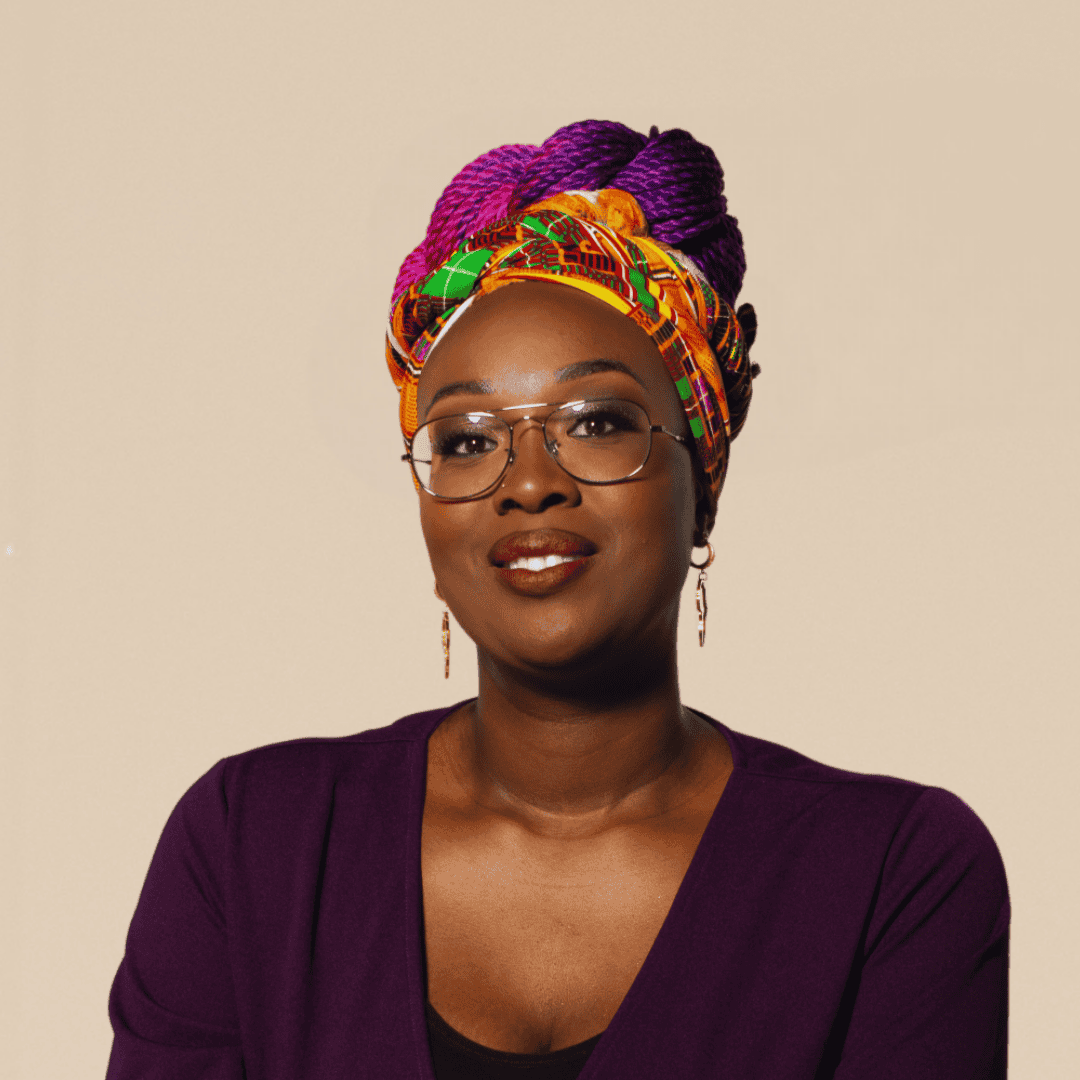
Vivian is a great speaker who knows how to inspire an audience and convey a powerful message in a safe environment.
Vivian is available for virtual keynotes, events, summits, workshops, roundtable discussions, webinars and podcast interviews.
She knows how to inspire managers, inclusion professionals, HR professionals, L&D professionals and decision makers who want to do better when it comes to strengthening inclusion & employee sustainability.
Warning: it is important to share that Vivian Acquah CDE® may sometimes talk about food during a presentation or a lecture, a few times during this talk. Please have your (healthy) snacks ready. Vivian Acquah cannot be held responsible for any (unhealthy) cravings.
Inclusion Training/ Workshops






FAQ Inclusive Recruiting
Is this training suitable if we are just starting out with diversity and inclusion?
Yes. The training is accessible to everyone, regardless of prior knowledge. We start with the basics and build from there, so you do not need any experience in DEI to take part and benefit fully.
Can the training be tailored to our organisation?
Absolutely. The programme is shaped around your context, sector, and the specific challenges you face in your recruitment process. Vivian works with you to design something that fits your team and your goals.
Is virtual reality a required part of the training?
No. Virtual reality is an optional addition for organisations that want to deepen the experience. The training is complete and effective without it — VR simply adds an extra layer of immersion if you choose to include it.
How many participants can take part?
That is something we discuss together. The training works well for smaller teams but can also be adapted for larger groups. There is no one-size-fits-all — the format is built around your needs.
What makes this training different from a standard unconscious bias workshop?
This training goes beyond awareness. It combines practical tools — including the competency game and structured reflection — with real-world application, so participants leave with concrete skills they can use immediately in their hiring processes.
How long does the training take?
The duration depends on the format and modules you choose. Get in touch to discuss what works best for your organisation and the time you have available.