Quick Summary: Employee Resource Groups (ERGs) foster workplace belonging by creating peer connections, increasing visibility, and amplifying employee voice. Inclusive ERGs welcome allies, align with business goals, and have clear structures to ensure safety and sustainability. Leaders can turn ERG engagement into measurable culture change by tracking participation, retention, and policy impacts. Effective ERGs improve retention, trust, and inclusion, especially when supported with clear purpose, leadership backing, and ongoing evaluation.
In hybrid teams, women leaders in Singapore, neurodivergent employees in London, and working parents in Toronto may never share one office. Employee Resource Groups can still give them one trusted space to feel seen and safe. The challenge is that many Employee Resource Groups exist, but few build real Workplace Belonging. This guide shows how Employee Resource Groups support belonging, retention, and trust, and where they fit inside strong Diversity Inclusion Strategies.
1. The Three Ways ERGs Create Belonging at Work
ERGs build belonging in three clear ways: they create peer ties, make identity visible, and give employees a real path to speak up.
Safe peer connection reduces isolation
ERGs give people a place to meet others who share parts of their lived experience. That matters because belonging depends on both connection and feeling valued, not just being present, as explained in this belongingness framework review. In practice, ERGs reduce the strain of being the only one on a team by offering:
shared stories
informal support
mentoring
ally connection
Employees engaged in inclusive ERG discussion in modern office
Visible representation helps employees feel seen
When leaders support ERGs openly, employees get a strong signal: people like me belong here too. That visibility turns inclusion from a slogan into something people can point to. It also helps others learn, join, and show allyship. Good ERGs make underrepresented groups easier to see without putting the burden on one employee to represent everyone.
Visibility works best when leaders fund ERGs, show up consistently, and act on what they hear.
Employee voice turns belonging into trust
Belonging gets stronger when people see that speaking up leads to action. University of Manchester research shows staff networks can act as a real voice channel for underrepresented groups and help shape change when support and process are in place using staff network voice to drive change. ERGs build trust when they:
2. What Makes ERGs Feel Inclusive Instead of Exclusive
Inclusive ERGs do three things well: they welcome allies, tie community to real business value, and protect trust with clear structure. Research shows allyship can improve inclusion when it is intentional, not performative, and that inclusion signals can raise psychological safety for both target and non-target employees across groups.
Open the door to allies and cross-functional participation
Let anyone join as a learner, supporter, or partner.
Mix members from HR, operations, sales, and product.
Keep identity-centered leadership and voice with the core group.
Set a clear purpose that connects community and business
Define what the ERG is for: support, insight, talent growth, or policy feedback.
McKinsey notes ERGs work better when purpose, employee needs, and DEI goals line up clearly.
Give ERGs the structure to be safe and sustainable
Use charters, trained leads, budgets, and sponsor roles.
Set simple rules for privacy, respect, and speaking time.
If everyone can enter, but only some people feel safe to speak, the ERG is still exclusionary.
3. How Leaders Can Turn ERG Belonging Into Measurable Culture Change
Leaders should track signals, not loose mood checks. Gallup says only 20% of U.S. employees strongly feel connected to their culture, so belonging needs hard measures, not guesswork Gallup culture data. Use:
ERG event repeat attendance
promotion and retention gaps by group
pulse items on voice, safety, and fairness
If you cannot tie ERG work to behavior, manager action, or policy change, you are only measuring activity.
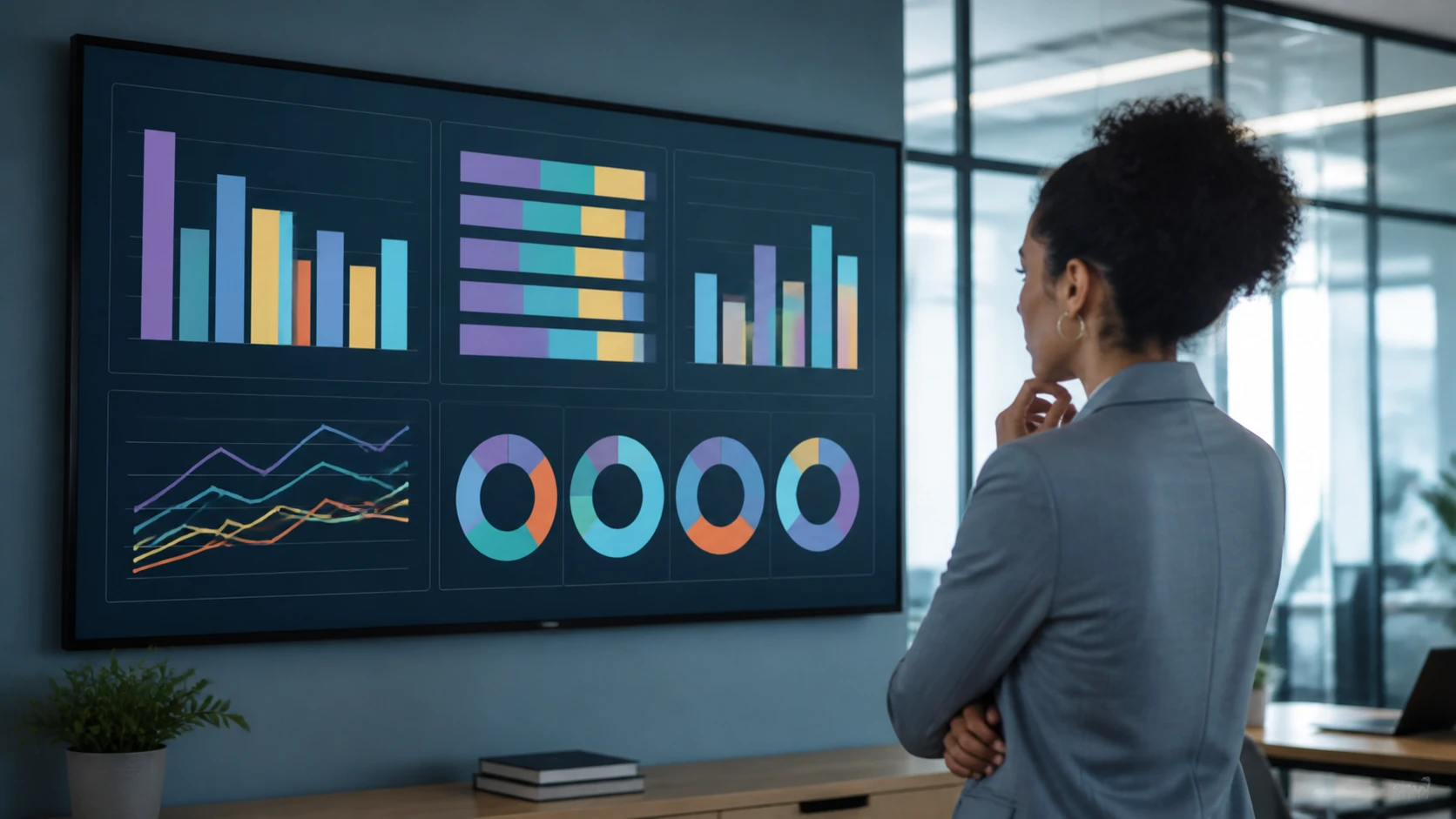
HR leader reviewing ERG retention dashboard with managers in a modern conference room
Managers turn ERG energy into daily norms. Gallup found manager engagement dropped sharply, and that weakens team culture Gallup workplace report. Ask managers to:
discuss ERG insights in team meetings
change meeting rules, feedback habits, and stretch assignments
report back on what changed
Treat ERGs as a listening system for policy. Build a simple table:
Ready to make your ERGs drive real belonging? Amplify DEI helps leaders build practical ERG strategies, train sponsors, and turn intent into lasting culture change.
Frequently Asked Questions
Q1: How do Employee Resource Groups (ERGs) foster a sense of belonging in diverse workplaces?
ERGs create trusted spaces, peer support, and visible community. They help employees feel seen, heard, and connected. Strong ERGs also give leaders direct insight into barriers that hurt daily inclusion.
Q2: What are the key benefits of implementing ERGs for organizations aiming to improve inclusion?
ERGs can improve retention, trust, culture feedback, leadership growth, and hiring credibility. They also turn inclusion goals into action by giving employees a way to shape policies, events, and support systems.
Q3: How can organizations successfully start and sustain Employee Resource Groups globally?
Start with a clear purpose, executive backing, local flexibility, and basic funding. Set simple goals, train ERG leads, and track outcomes like participation, feedback, and policy impact so the groups stay useful and trusted.
Conclusion
ERGs foster belonging when they build real connection, voice, and support. That matters because belonging links to retention and motivation, according to Scientific Reports research and PLOS One findings.
Summary: One-off unconscious bias training is ineffective; lasting change requires ongoing, system-level interventions. Recent research shows that repeated practice, measurable goals, and integrating bias awareness into decision processes improve workplace equity. HR should focus on tracking systemic metrics like promotion and retention, and combine awareness with structured decision tools for real impact.
New evidence is forcing a reset on Unconscious Bias work. In July 2026, a field experiment found an accountability step still failed to close racial gaps in ratings across 3,266 managers and 17,149 employees. That matters because many firms still fund Diversity Training and Bias Awareness with little proof of better decisions. This article reviews the latest Unconscious Bias research, practical benchmarks, and what experts now trust to make Unconscious Bias efforts stick.
What the newest research says about unconscious bias awareness in 2026
One clear pattern stands out in 2026: short, one-off awareness sessions are losing credibility. A 2025 randomized study found that an 11-day racial equity challenge improved knowledge, self-belief, and responses to ambiguous workplace moments, which points to a simple lesson – repeated practice beats a single workshop (multi-day racial equity challenge study). A 2026 framework, the MAIBE Checklist, makes the same case. It says bias education works better when it is:
Measurable
Participant-led
Part of a wider system
Broad, not light-touch
Evidence-based
Awareness still matters. It just works better when it links to daily decisions, manager habits, and real follow-up.
Accountability also looks weaker than many teams assumed. A 2026 field experiment covering 3,266 managers and 17,149 employees found that a standard accountability prompt did not close racial gaps in performance ratings (2026 accountability field experiment). So the new research points away from stand-alone fixes and toward stacked interventions:
How organizations are redesigning bias awareness programs to work better
Teams are moving past one-off workshops. The better model treats bias awareness as education plus system change, not a single event. For the bigger picture, link this section back to the parent pillar on Latest Trends and Insights in Unconscious Bias Awareness 2026.
The MAIBE checklist in plain English
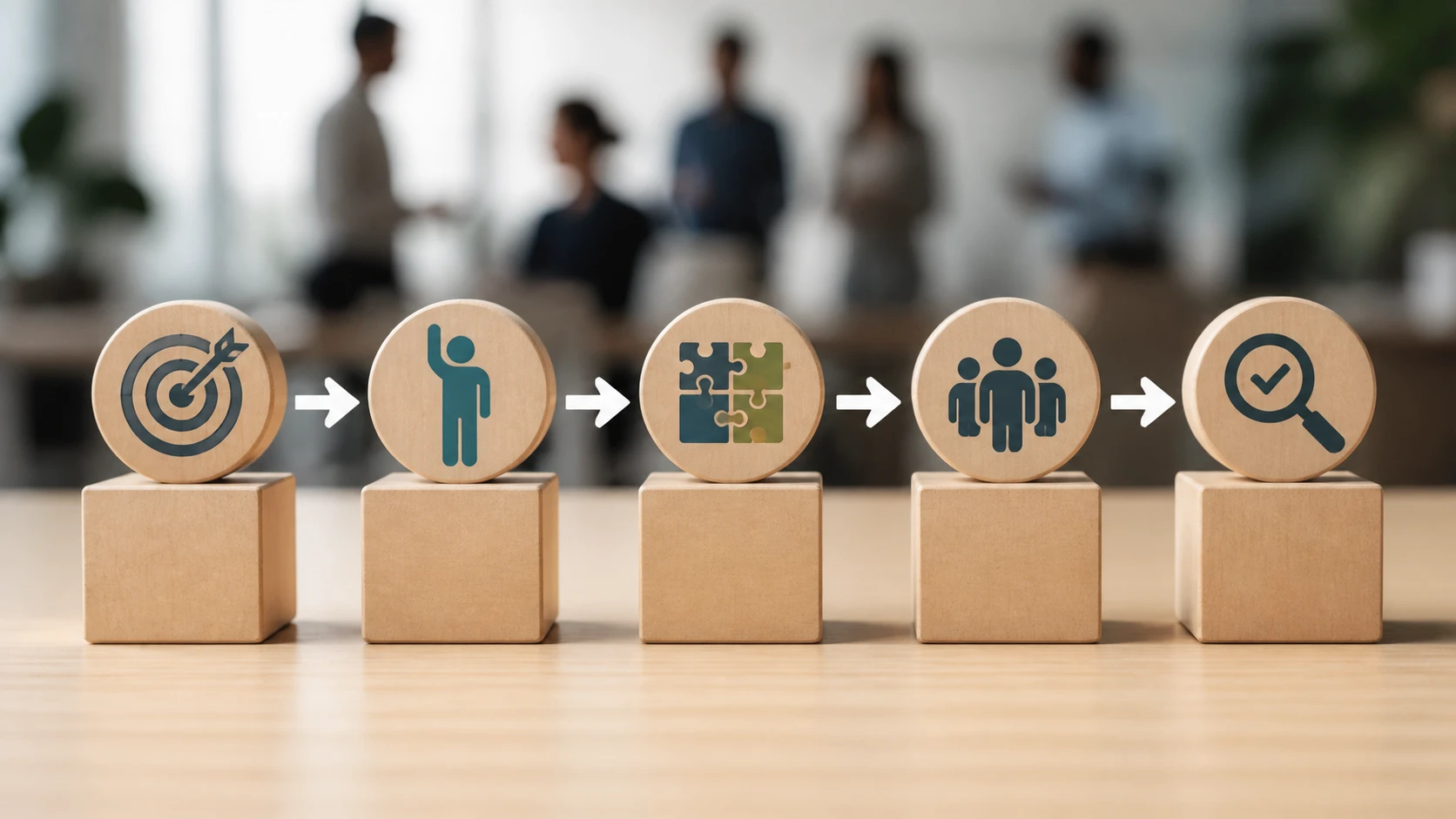
A useful 2026 frame is the MAIBE checklist. In plain terms, it asks five basic questions:
Measurable – Did you set clear goals?
Agentic – Do people practice real choices, not just listen?
Integrated – Is this tied to hiring, reviews, and promotion?
Broad – Is it more than a light-touch session?
Evidence-based – Are you using methods backed by research?
Modern office meeting with flowchart on screen
If your program cannot answer all five, it is probably too thin to change workplace habits.
What the evidence says about behavior change
The pattern is clear. Training alone may raise awareness, but stronger results come from redesigning decisions. A 2025 systematic review found that systemic strategies like standard rubrics, decision protocols, and structured prompts beat attitude-only approaches in high-stakes judgments systematic review findings.
Redesign move
Why it works
Structured interviews
Cuts gut-feel judgments
Work sample tests
Focuses on actual skill
Batch comparisons
Reduces stereotype-based picks
Harvard’s evidence-based workplace practices points in the same direction. The best programs add checklists, scorecards, and manager accountability. Awareness still matters. It just works better when the process changes too.
What HR teams should measure before calling a program successful
Attendance is easy to count. It is also a weak success metric. HR should track what changed after the program across the talent cycle, not just who showed up. SHRM notes that stronger organizations monitor equity across hiring, promotion, pay, development, and retention, not only recruiting or new hires regularly monitor DE&I data.
Shortlist and hiring rates by group
Promotion and stretch assignment access
Performance rating gaps
Retention and exit themes
Employee survey scores on fairness, belonging, and trust
HR professional analyzing diversity dashboard on computer
Bias awareness works best as one tool inside a wider system. Research reviews show structural interventions often beat awareness alone, and targeted training tied to real decisions can improve outcomes systematic review of interventions.
Use a simple mix:
Awareness training for shared language
Structured hiring and promotion rubrics
Manager checks before key people decisions
Regular data reviews with action owners
Homepage
Ready to move past one-off bias training? Amplify DEI helps leaders build practical, lasting awareness programs that change workplace habits.
Frequently Asked Questions
Q1: What are the latest insights and strategies for increasing unconscious bias awareness in 2026?
Use short, repeated learning tied to hiring, feedback, and promotion decisions. Pair awareness with behavior checks, manager practice, and clear accountability. One-off sessions fade fast.
Q2: How can organizations measure and effectively counteract unconscious bias in diverse workplace environments?
Track promotion rates, performance scores, interview outcomes, and exit data by group. Then audit patterns, train decision-makers, and fix weak points in systems, not just attitudes.
Q3: What are proven tactics to implement successful unconscious bias training and boost inclusivity at work?
Focus on real scenarios, manager coaching, and follow-up habits. Good programs build skills like structured interviews, fair feedback, and meeting inclusion. Amplify DEI often stands out by linking training to culture change.
Conclusion
The main lesson is simple: one-off bias training is weak on its own. Recent evidence points to broader, measured, system-level fixes, as shown in a 2026 field experiment and the MAIBE framework.
Summary: Employee Resource Groups are formal, goal-driven groups that boost participation, retention, and leadership visibility, especially when structured with clear goals and sponsorship. Affinity networks are informal, community-led groups that build trust quickly and are easier to join but may struggle with policy influence. Leaders should choose ERGs for measurable impact and affinity networks for quick connection, tailoring governance to their needs.
Leaders trying to lift belonging and participation face a clear tradeoff. ERGs usually work best as formal engagement infrastructure, while Affinity Networks fit low-friction community and early trust-building. Many teams now weigh Affinity Networks against ERGs because the model shapes voice, visibility, and uptake. This comparison draws on common HR and DEI practice to show how Affinity Networks, Employee Networks, sponsorship, governance, and DEI Strategies affect engagement.
Employee Resource Groups vs Affinity Networks for Engagement: At a Glance
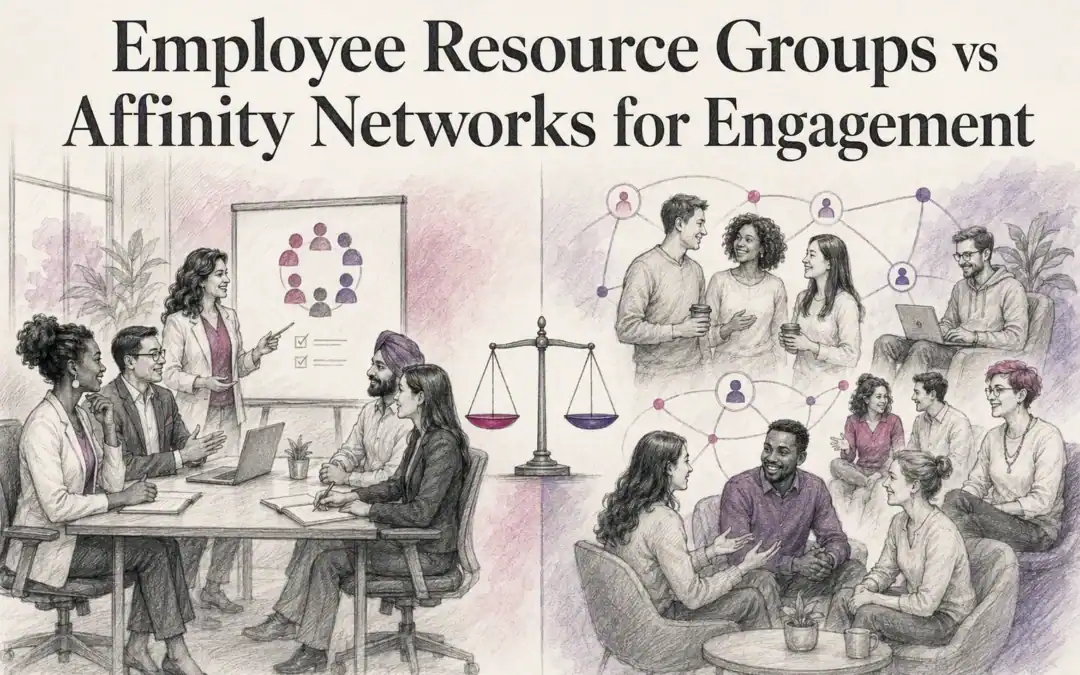
ERGs are formal, employee-led groups built to support belonging and business goals. Research from NASA ERG guidance shows they often help with development, retention, and leadership connection, so they fit mature DEI programs that need clear structure and measurable impact.
Affinity networks are lighter, community-led groups built around shared identity, interest, or experience. They suit teams that want faster trust-building and easier participation, especially early in their inclusion work, with a more informal model than chartered groups.
How Structure Changes Engagement
Why Formality Can Increase Participation
Formal ERGs often get better turnout because they feel real. A charter, budget, sponsor, and clear roles reduce confusion. People know who can join, what the group does, and how ideas move up. Harvard Business School notes that ERGs work best when they balance formal support with everyday connection HBS research. Formal setup also helps leaders protect time, track goals, and keep momentum when volunteer leads change.
Split scene of formal ERG meeting and informal employee network gathering
Why Lighter Networks Can Feel More Accessible
Affinity networks often feel easier to join because they ask less upfront. No election, no committee, no long plan. That lowers the social risk for new members, allies, and busy managers. A Colorado state ERG guide also stresses that open participation supports inclusion and belonging state guidance. The tradeoff is reach. Light networks can create trust fast, but they may struggle to win budget, executive attention, or policy change.
Good engagement programs do not run on energy alone. They need rules, owners, and proof.
What Leaders Need to Measure
Track more than attendance. Measure participation rate, repeat attendance, leader pipeline, budget use, and whether insights led to policy, talent, or culture changes. Korn Ferry notes ERGs now sit at the intersection of engagement, retention, and business results in its global ERG survey.
Metric
Why it matters
Participation depth
Shows real pull, not one-time interest
Retention and mobility
Connects groups to talent outcomes
Action taken
Proves feedback changed something
If you only count events, you are measuring activity, not impact.
Where Governance Protects the Program
Strong governance lowers risk. Harvard Business School highlights four tensions – formality, audience, identities, and resilience – that shape whether ERGs thrive in hard moments in its Working Knowledge research.
Set a clear charter.
Define sponsor duties.
Create approval paths for budget and events.
Review membership and privacy rules.
ERGs need tighter governance.
Affinity networks can stay lighter, but still need boundaries.
Choose ERGs when you need accountability. Pick ERGs if you want clear goals, budgets, sponsors, and reporting. That structure helps leaders act on employee insight instead of just hearing it. Harvard Business School notes strong ERGs balance informal support with formal action, while Gallup says managers drive 70% of team engagement variance Harvard researchGallup data.
HR leader reviewing ERG charter with executive sponsor in modern office
Choose affinity networks when you need accessibility. Use affinity networks when your goal is easy entry, fast peer connection, and broad participation. They work well in new, global, or low-maturity programs where employees first need trust and community.
If engagement is low, start with access. If follow-through is weak, move to ERGs.omepage
Need clearer ERG or affinity network strategy? Partner with Amplify DEI to build governance, sponsorship, and engagement that lasts.
Frequently Asked Questions
Q1: What are the key differences between Employee Resource Groups and Affinity Networks for workplace engagement?
ERGs usually have formal goals, leaders, budgets, and executive sponsors. Affinity networks are often looser, social, and interest-led. ERGs drive business impact more directly, while affinity networks can boost connection fast with less structure.
Q2: How can organizations effectively implement and support different types of Employee Resource Groups globally?
Start with one governance model, then adapt for local laws, culture, and language. Set clear charters, funding rules, and sponsor roles. Give regional leaders room to tailor events and priorities without losing global standards.
Q3: What leadership roles are essential for the success of Employee Resource Groups to maximize employee engagement?
Strong ERGs need an executive sponsor, ERG chair, local chapter leads, and HR or DEI support. Each role should own decisions, budget, communication, and metrics so the group does not rely on volunteer energy alone.
Conclusion
ERGs usually drive stronger engagement when they have clear goals, sponsors, and governance. Affinity networks fit lighter community-building needs. Recent CHRO research and Harvard analysis both point to the same truth: structure shapes impact.