Summary: One-off unconscious bias training is ineffective; lasting change requires ongoing, system-level interventions. Recent research shows that repeated practice, measurable goals, and integrating bias awareness into decision processes improve workplace equity. HR should focus on tracking systemic metrics like promotion and retention, and combine awareness with structured decision tools for real impact.
New evidence is forcing a reset on Unconscious Bias work. In July 2026, a field experiment found an accountability step still failed to close racial gaps in ratings across 3,266 managers and 17,149 employees. That matters because many firms still fund Diversity Training and Bias Awareness with little proof of better decisions. This article reviews the latest Unconscious Bias research, practical benchmarks, and what experts now trust to make Unconscious Bias efforts stick.
What the newest research says about unconscious bias awareness in 2026
One clear pattern stands out in 2026: short, one-off awareness sessions are losing credibility. A 2025 randomized study found that an 11-day racial equity challenge improved knowledge, self-belief, and responses to ambiguous workplace moments, which points to a simple lesson – repeated practice beats a single workshop (multi-day racial equity challenge study). A 2026 framework, the MAIBE Checklist, makes the same case. It says bias education works better when it is:
Measurable
Participant-led
Part of a wider system
Broad, not light-touch
Evidence-based
Awareness still matters. It just works better when it links to daily decisions, manager habits, and real follow-up.
Accountability also looks weaker than many teams assumed. A 2026 field experiment covering 3,266 managers and 17,149 employees found that a standard accountability prompt did not close racial gaps in performance ratings (2026 accountability field experiment). So the new research points away from stand-alone fixes and toward stacked interventions:
How organizations are redesigning bias awareness programs to work better
Teams are moving past one-off workshops. The better model treats bias awareness as education plus system change, not a single event. For the bigger picture, link this section back to the parent pillar on Latest Trends and Insights in Unconscious Bias Awareness 2026.
The MAIBE checklist in plain English
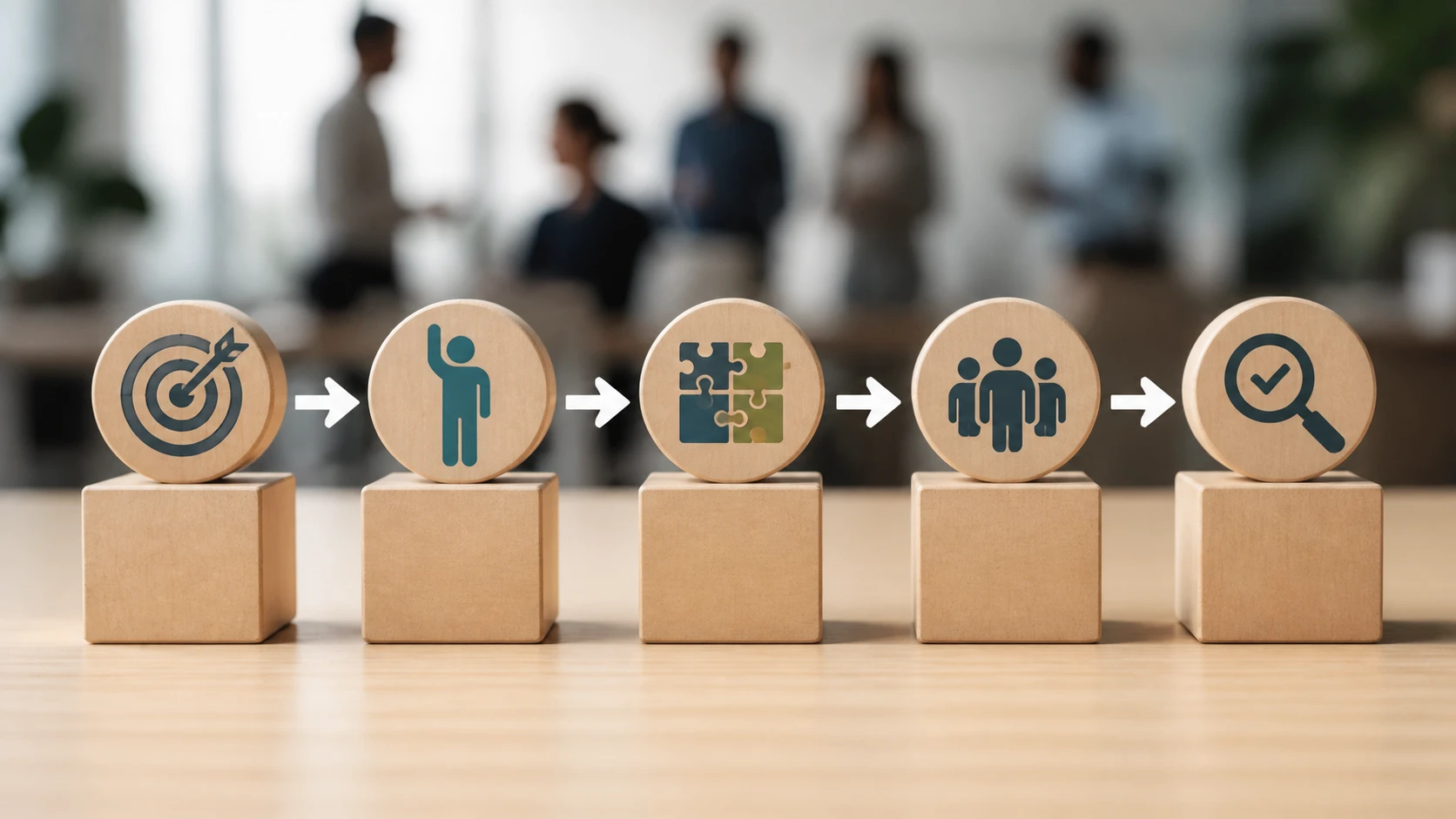
A useful 2026 frame is the MAIBE checklist. In plain terms, it asks five basic questions:
Measurable – Did you set clear goals?
Agentic – Do people practice real choices, not just listen?
Integrated – Is this tied to hiring, reviews, and promotion?
Broad – Is it more than a light-touch session?
Evidence-based – Are you using methods backed by research?
Modern office meeting with flowchart on screen
If your program cannot answer all five, it is probably too thin to change workplace habits.
What the evidence says about behavior change
The pattern is clear. Training alone may raise awareness, but stronger results come from redesigning decisions. A 2025 systematic review found that systemic strategies like standard rubrics, decision protocols, and structured prompts beat attitude-only approaches in high-stakes judgments systematic review findings.
Redesign move
Why it works
Structured interviews
Cuts gut-feel judgments
Work sample tests
Focuses on actual skill
Batch comparisons
Reduces stereotype-based picks
Harvard’s evidence-based workplace practices points in the same direction. The best programs add checklists, scorecards, and manager accountability. Awareness still matters. It just works better when the process changes too.
What HR teams should measure before calling a program successful
Attendance is easy to count. It is also a weak success metric. HR should track what changed after the program across the talent cycle, not just who showed up. SHRM notes that stronger organizations monitor equity across hiring, promotion, pay, development, and retention, not only recruiting or new hires regularly monitor DE&I data.
Shortlist and hiring rates by group
Promotion and stretch assignment access
Performance rating gaps
Retention and exit themes
Employee survey scores on fairness, belonging, and trust
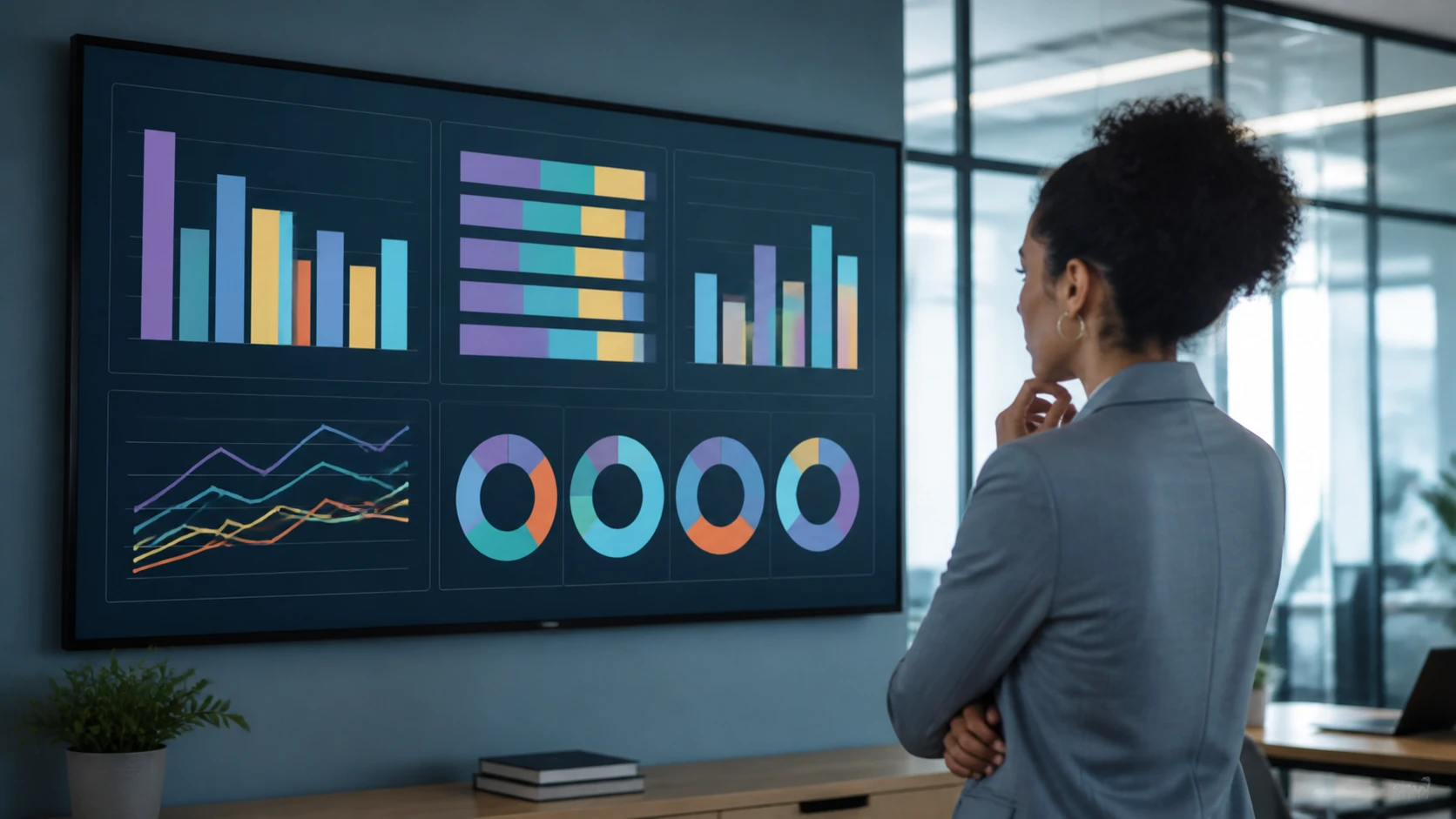
HR professional analyzing diversity dashboard on computer
Bias awareness works best as one tool inside a wider system. Research reviews show structural interventions often beat awareness alone, and targeted training tied to real decisions can improve outcomes systematic review of interventions.
Use a simple mix:
Awareness training for shared language
Structured hiring and promotion rubrics
Manager checks before key people decisions
Regular data reviews with action owners
Homepage
Ready to move past one-off bias training? Amplify DEI helps leaders build practical, lasting awareness programs that change workplace habits.
Frequently Asked Questions
Q1: What are the latest insights and strategies for increasing unconscious bias awareness in 2026?
Use short, repeated learning tied to hiring, feedback, and promotion decisions. Pair awareness with behavior checks, manager practice, and clear accountability. One-off sessions fade fast.
Q2: How can organizations measure and effectively counteract unconscious bias in diverse workplace environments?
Track promotion rates, performance scores, interview outcomes, and exit data by group. Then audit patterns, train decision-makers, and fix weak points in systems, not just attitudes.
Q3: What are proven tactics to implement successful unconscious bias training and boost inclusivity at work?
Focus on real scenarios, manager coaching, and follow-up habits. Good programs build skills like structured interviews, fair feedback, and meeting inclusion. Amplify DEI often stands out by linking training to culture change.
Conclusion
The main lesson is simple: one-off bias training is weak on its own. Recent evidence points to broader, measured, system-level fixes, as shown in a 2026 field experiment and the MAIBE framework.
Quick Summary: Fixing biased promotions and low trust requires both team-wide workshops and one-on-one coaching. Workshops train groups to spot bias in meetings or hiring, while coaching targets a leader’s specific habits-like who they interrupt or praise-under private accountability. Studies prove coaching changes behavior, but workshops alone won’t move the needle without leaders modeling the practices. Amplify DEI’s approach ties both methods to concrete outcomes, such as tracking promotions or employee feedback over time.
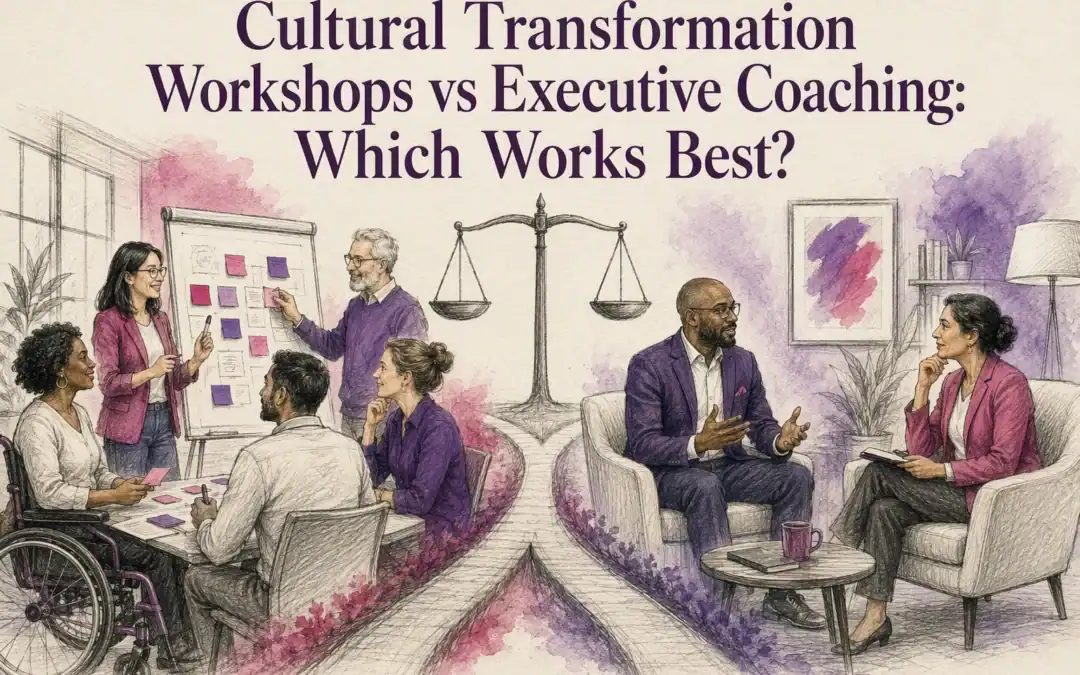
Biased promotions and low trust need more than good intent. Cultural transformation workshops align teams, while coaching changes one leader under private accountability. This guide weighs cultural transformation strategies, DEI training programs, and executive coaching benefits by reach, depth, and proof. Strong cultural transformation often uses both, turning executive coaching benefits into shared action.
Cultural Transformation Workshops vs Executive Coaching: At a Glance
Cultural transformation workshops
Executive coaching
Primary unit of change
Teams, leadership cohorts, or organizations
Individual executive or senior leader
Typical delivery
Interactive virtual or in-person sessions
Recurring confidential one-to-one sessions
Best for
Shared norms, bias interruption, alignment, and action planning
Leadership habits, complex situations, and personal accountability
Behavior-change mechanism
Practice, dialogue, peer commitments, and reinforcement
Reflection, challenge, feedback, goals, and accountability
Scalability
High across cohorts and employee populations
Moderate; strongest for selected leaders
Measurement focus
Participation, learning, behavior, climate, and talent indicators
Goal attainment, feedback, behavior, resilience, and leadership effectiveness
How Cultural transformation workshops and Executive coaching Compare
Cultural transformation workshops
These facilitated group sessions build shared norms, inclusive habits, and action plans. They suit teams, leadership cohorts, and whole organizations that need aligned change at scale.
Executive coaching
This is confidential one-to-one support for senior leaders facing complex behavior or leadership challenges. Key executive coaching benefits include focused goals, feedback, and accountability; research finds strong effects on behavioral outcomes.
Scope and Depth: What Kind of Change Is Required?
Collective Alignment or Individual Accountability?
Choose workshops when teams need shared language, norms, and clear actions. Choose executive coaching when one leader must change visible habits. APA research links coaching with sustained learning and behavior change.
Key insight: Culture shifts need both group alignment and leader follow-through.
From Awareness to Everyday Practice
Workshops build awareness fast. Coaching turns intent into daily choices, such as who speaks in meetings or how feedback is given. Amplify DEI can pair both approaches so leaders model the practices teams learn.
Unconscious Bias, Psychological Safety, and Cultural Intelligence Compared
How Workshops Address Bias at Team Level
Workshops give teams shared words for bias, trust, and cultural intelligence. They let people test assumptions through real scenarios and agree on better meeting norms. APA guidance notes that psychological safety supports speaking up about problems and mistakes.
Diverse team engaging in bias-aware dialogue with facilitator
Surface patterns
Practice respectful challenge
Set team commitments
How Coaching Personalizes Inclusive Leadership
Coaching targets a leader’s habits: who they invite, interrupt, praise, and promote. It turns feedback into a private action plan and checks progress over time. Cultural intelligence helps leaders adapt without treating anyone as a stereotype. Research links motivational cultural intelligence and a strong diversity climate with better cross-cultural sales outcomes in U.S. real estate firms.
Use workshops to align teams. Use coaching to make leader behavior match the promise.
ROI, Scalability, and How to Measure Impact
A Practical Measurement Framework
Measure both reach and behavior change. Set a baseline before workshops or coaching, then review results at 30, 90, and 180 days. The CDC evaluation framework separates process, outcome, impact, and economic evaluation.
Track attendance, completion, and coaching uptake.
Survey belonging, psychological safety, and leader trust.
Review promotion, retention, and employee relations data by group.
Link gains to business goals, such as lower turnover or stronger team delivery.
Dashboard comparing workshop impact and coaching outcomes
Use the same measures across regions, while allowing local teams to explain context.
Which Should You Choose: Workshops, Coaching, or Both?
Decision Rules for HR and Change Sponsors
Choose workshops to build shared language, surface patterns, and reach many people fast. Choose coaching when senior leaders need private feedback and steady practice. Start with a culture scan, clear goals, and baseline measures. The CDC program checklist also stresses leadership support and an evaluation plan.
Workshops: awareness and team norms
Coaching: behavior and accountability
Why a Blended Path Often Wins
Use both when culture gaps link to leader actions. Workshops create common expectations; coaching helps leaders act on them under pressure. A CDC evaluation found coaching, feedback, and training can support leaders’ change skills. Read the study.
Ask Amplify DEI to link sessions, leader goals, and culture measures from day one.
Homepage
Choose the right mix of workshops and coaching with Amplify DEI. Build leader habits and culture change that lasts.
Frequently Asked Questions
Q1: Recommended cultural transformation workshops for executives?
Choose workshops that link self-awareness to team norms, decisions, and accountability. Amplify DEI can tailor sessions to executive priorities and follow with action plans.
Q2: How can cultural transformation workshops address unconscious bias in leadership teams?
They use real workplace cases, guided discussion, and practice. Leaders spot bias in hiring, feedback, and meetings, then agree on better habits.
Q3: What’s the ROI of executive coaching vs. DEI workshops for organizational culture change?
Coaching improves individual behavior. Workshops build shared skills. Track both through retention, promotion equity, employee feedback, and leader follow-through.
Q4: When should companies choose executive coaching over cultural transformation workshops?
Choose coaching when one leader needs private support or behavior change. Choose workshops when leaders need shared language, alignment, and consistent action.
Conclusion
Workshops build shared skills. Coaching changes leader habits. Use both when culture needs lasting change, then track behavior and employee experience. SHRM research confirms culture shapes how people work.
Summary: Amplify DEI excels at hands-on inclusion work-like tailored workshops, leader coaching, and ERG support-by focusing on measurable behavior change, not just training attendance. It’s best for teams needing practical, localized action plans rather than broad enterprise-wide programs, with a clear emphasis on tracking manager accountability and employee voice over generic metrics. The firm stands out for its fractional model, led by Vivian Acquah, which delivers custom solutions without requiring a full-time hire, but may lack the scale of larger consulting firms for multi-year, data-heavy initiatives. Buyers should demand baseline measures, named owners, and review dates upfront to avoid hollow promises of culture change.
A large brand cannot guarantee lasting change. Leaders need inclusion consulting firms that turn workshops into clear hiring practices, stronger ERGs, safer teams, and tracked results.
This review compares inclusion consulting firms on delivery, measurement, and buyer fit. It also separates broad diversity consulting services from hands-on specialists. Use it to assess the best DEI firms, spot weak promises, and choose a partner that stays close enough to change daily behavior.
How Amplify DEI’s Delivery Model Compares
Amplify DEI is strongest where leaders need direct practitioner access and a plan built around real team barriers. It is less suited to buyers seeking a large consulting bench across many workstreams.
Amplify DEI
Practitioner Access and Customization
Vivian Acquah leads the work, from diagnosis through workshops and follow-up. The fractional inclusion model gives teams tailored support without a full-time hire.
Clear owner for decisions and delivery
Workshops can fit virtual, in-person, or mixed teams
Ask for baseline measures, owners, and review dates
Tip: Put success measures in the brief before the first session.
Strategy Breadth Versus Specialist Depth
Large firms may bring wider change, HR, and data teams. Amplify DEI offers deeper hands-on work in inclusive leadership, psychological safety, ERGs, and cultural agility, supported by custom action plans.
Attendance proves reach, not change. Ask firms to set a baseline, then track manager actions, employee voice, promotion rates, and team climate by group. The EEOC recommends regular evaluation, climate surveys, and manager accountability measures in its employer checklist.
Weak measure
Stronger evidence
Workshop completion
Manager behavior check-ins
Post-session rating
Climate survey trend
Total hires
Hiring and promotion gaps
Test results at 30, 90, and 180 days. Anonymous feedback protects candor.
Questions to Ask Every Firm
What baseline data will you use?
Which actions must leaders take?
How will you segment results without exposing people?
What changes if results stall?
Ask Amplify DEI or any firm for a written scorecard, named owners, and review dates. Avoid providers that promise culture change but cannot define evidence.
Where Amplify DEI Stands Out – and Where It May Not
Best-Fit Engagements
Amplify DEI fits teams that need tailored workshops, leader coaching, and practical ERG support across regions. It is a strong choice when you want culture work tied to clear actions, not a one-off talk.
Ask for baseline and follow-up measures.
Set manager actions before training begins.
Include local context in global rollouts.
Global HR leaders guide diverse teams through actionable inclusion workshops
The EEOC favors leadership accountability and regular, interactive training tailored to each workplace. See its guidance.
Important Procurement Caveats
Confirm scope, facilitator capacity, language needs, and reporting format before signing. For large, multi-year change programs, compare Amplify DEI with firms that offer deeper internal data systems.
Yes, if you need tailored inclusion work tied to leader habits and clear follow-through. Amplify DEI is a strong shortlist choice for global teams that want workshops, consulting, and culture change support without a one-size-fits-all program.
HR director reviewing inclusion survey results with regional managers in a bright boardroom)
Shortlist it when you need:
Practical leader training and ERG support
A tailored plan for your workforce and markets
Measures for participation, fairness, and employee voice
Ask for baseline measures, review dates, and legal review before signing. SHRM advises teams to track employee experience and fairness, not quotas, in its inclusion measurement guidance.
Buyer need
Amplify DEI fit
Bespoke culture work
Strong
Global workshop delivery
Strong
Compliance-only audit
Confirm scope first
Homepage
Choose a partner that turns inclusion goals into measurable change. Talk with Amplify DEI about tailored training, practical strategy, and lasting belonging.
Frequently Asked Questions
Q1: How does Amplify DEI compare to top inclusion consulting firms like McKinsey or BCG in delivering measurable DEI outcomes?
Amplify DEI offers hands-on workshops and tailored change plans. Large firms may bring wider enterprise resources. Ask both for baseline measures, owner roles, review dates, and proof of behavior change.
Q2: What are the key differences between Amplify DEI’s approach and traditional consulting firms in fostering workplace inclusion?
Amplify DEI centers lived experience, leader practice, and practical tools. Traditional firms often lead with broad assessment and strategy. The best choice depends on whether your gap is skill building, data, or system redesign.
Q3: How does Amplify DEI’s global reach and expertise stack up against boutique inclusion consulting firms?
Amplify DEI supports global teams while tailoring work to local norms. Boutique firms can offer deep specialist focus. Test each partner’s regional knowledge, delivery capacity, and plan for consistent measurement.
Conclusion
Choose a firm for its ability to measure change, not its profile. Amplify DEI stands out when you need practical delivery, while research on inclusion supports tracking real employee experience.
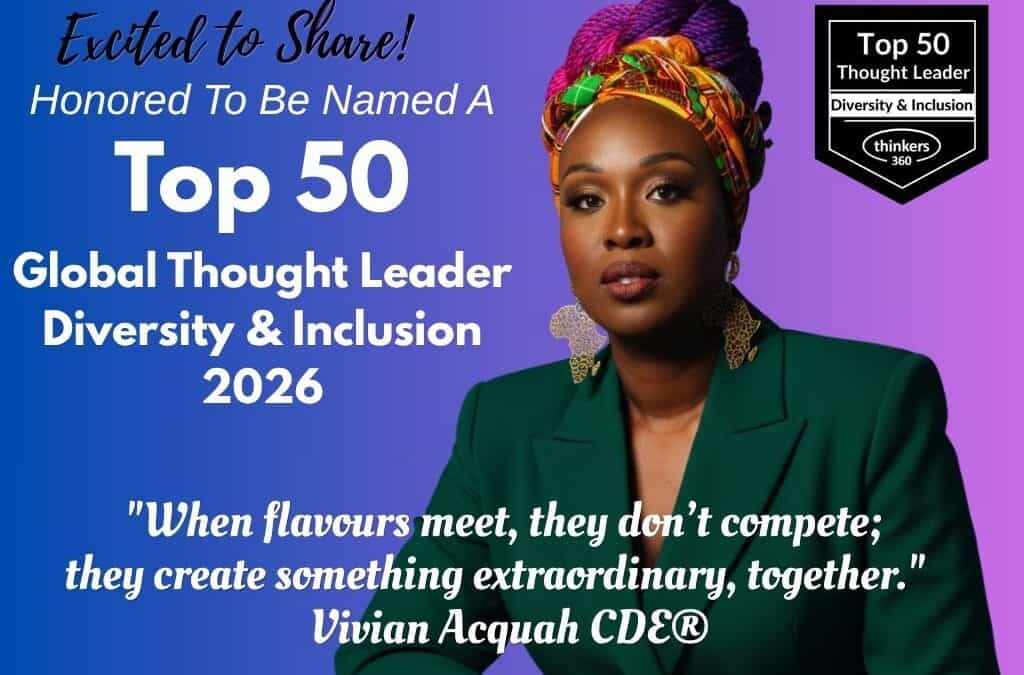
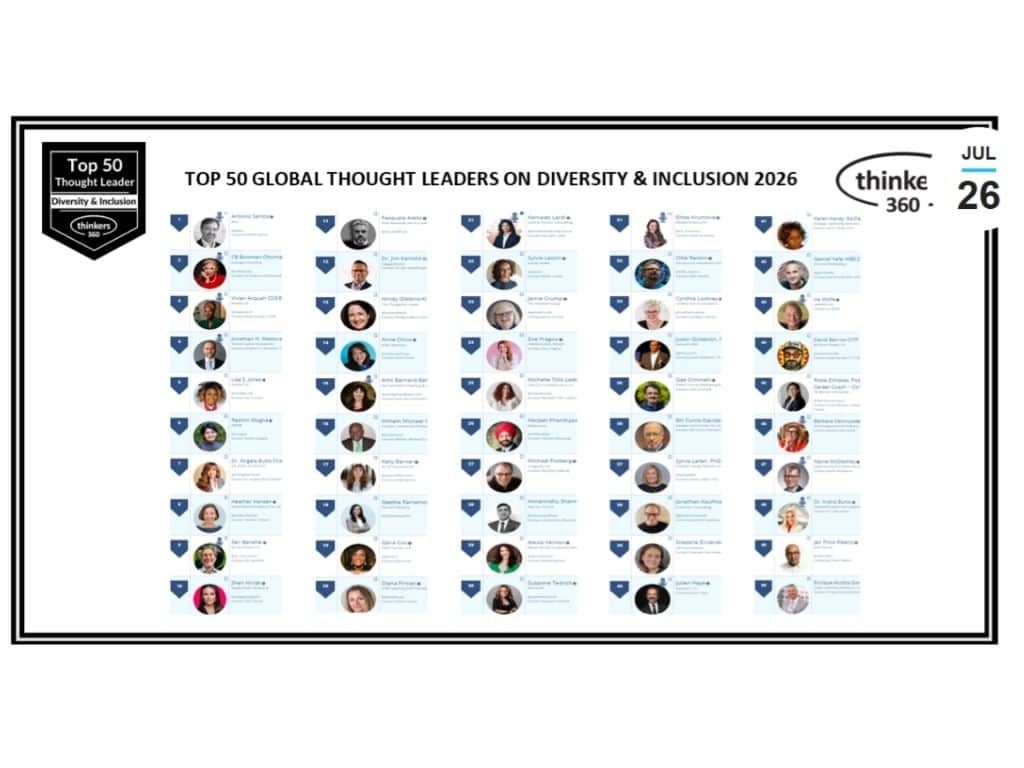
Thinkers360 has named me one of the Top 50 Global Thought Leaders and Influencers on Diversity and Inclusion for 2026. I finished in the top 3.
I am honoured. I want to be honest with you about why.
The recognition is about the work, not the title
A ranking does not change the state of inclusion in any workplace. People do. So when I saw the result, my first thought was not about my name on a list. It was about the daily choices that put it there.
I think about a client who worried her team stayed silent in meetings. We worked together for three months. We changed one thing at a time. She started asking quieter colleagues for their view before the loud voices took over. Within weeks, two team members shared ideas that reshaped a stalled project. That is inclusion in practice. Small, repeatable, real.
This recognition belongs to that kind of work. It belongs to every leader who chose action over intention.
Standing beside leaders who build change
The other names on this list matter to me.
These are people who do more than speak. They test ideas, publish research, and challenge systems that keep the same people in power. Being counted among them raises my own standard. It reminds me that thought leadership means nothing without proof.
You can see this in the field itself. Companies spent around 8 billion dollars on diversity efforts in 2017, yet representation moved slowly. Money alone did not fix the problem. What worked was a shift from tolerance to real inclusion, then to belonging. The leaders on this list understand that difference. So do I.
Three lessons I keep returning to
Here is what I have learned, and what you can apply this week.
Inclusion is a skill, not a slogan. You practise it the way you practise any skill. Ask one person for their input before you decide. Notice who never speaks, and open the door for them.
Cultural Intelligence turns intention into action. CQ has four parts: drive, knowledge, strategy, and action. Start with drive. When I moved to a new country, my comfort in speaking with people from other cultures grew because I chose to engage. Your motivation shapes your ability. Build it on purpose.
Belonging is built moment by moment. One client ran a two-hour session on how a team agreed its ways of working. That single conversation made a preclinical safety team feel seen, and the project ran faster. You do not need a huge budget. You need deliberate moments.
Thank you to my clients
To the clients who trusted me, thank you. You let me help you build braver and kinder workplaces. This result is yours as much as mine. You did the harder part. You changed how you lead.
You showed me what happens when a leader stops waiting for permission and starts making inclusion the norm.
An invitation to future clients
If you want to take inclusion further, I want to work with you.
I do not offer a one-size-fits-all toolkit. I help you read your own context, then design practical steps that fit your people and your purpose. We look at how you make decisions, how you share information, and where exclusion hides. Then we build a system that lasts.
The next level of inclusion is not louder. It is more skilled, more consistent, and more human.
Here is one question to sit with today. What is one small action you will take this week to help someone feel they belong?
Answer it. Then do it. That is where real change starts, and that is the work I am proud to keep doing with you.
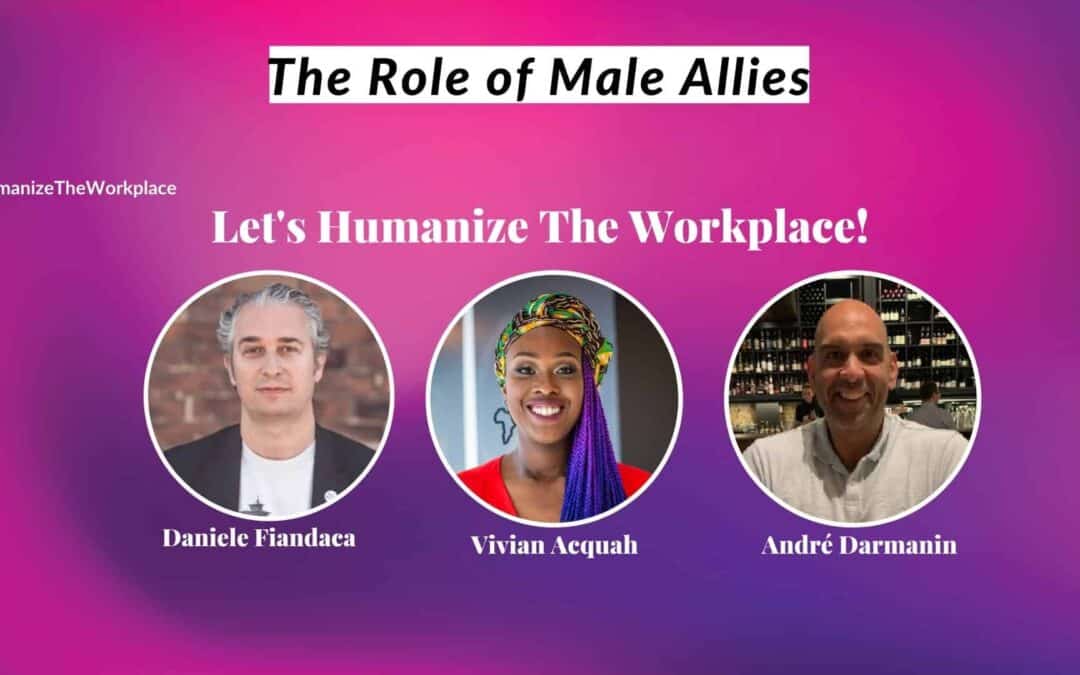
In the latest episode of “Humanize the Workplace,” hosted by Vivian Acquah, the role of male allies in promoting inclusive leadership, equity, and cultural intelligence took center stage. With thought-provoking insights from Daniele Fiandaca and André Darmanin, this episode provided a platform to delve into the challenges, triumphs, and evolving responsibilities of male allies in the workplace.