
Summary: One-off unconscious bias training is ineffective; lasting change requires ongoing, system-level interventions. Recent research shows that repeated practice, measurable goals, and integrating bias awareness into decision processes improve workplace equity. HR should focus on tracking systemic metrics like promotion and retention, and combine awareness with structured decision tools for real impact.
New evidence is forcing a reset on Unconscious Bias work. In July 2026, a field experiment found an accountability step still failed to close racial gaps in ratings across 3,266 managers and 17,149 employees. That matters because many firms still fund Diversity Training and Bias Awareness with little proof of better decisions. This article reviews the latest Unconscious Bias research, practical benchmarks, and what experts now trust to make Unconscious Bias efforts stick.
What the newest research says about unconscious bias awareness in 2026
One clear pattern stands out in 2026: short, one-off awareness sessions are losing credibility. A 2025 randomized study found that an 11-day racial equity challenge improved knowledge, self-belief, and responses to ambiguous workplace moments, which points to a simple lesson – repeated practice beats a single workshop (multi-day racial equity challenge study). A 2026 framework, the MAIBE Checklist, makes the same case. It says bias education works better when it is:
- Measurable
- Participant-led
- Part of a wider system
- Broad, not light-touch
- Evidence-based
Awareness still matters. It just works better when it links to daily decisions, manager habits, and real follow-up.
Accountability also looks weaker than many teams assumed. A 2026 field experiment covering 3,266 managers and 17,149 employees found that a standard accountability prompt did not close racial gaps in performance ratings (2026 accountability field experiment). So the new research points away from stand-alone fixes and toward stacked interventions:
- Better decision structure
- Practice over time
- Clear review standards
Also Read: https://amplifydei.com/7-benefits-of-dei-coaching-for-organizations/
How organizations are redesigning bias awareness programs to work better
Teams are moving past one-off workshops. The better model treats bias awareness as education plus system change, not a single event. For the bigger picture, link this section back to the parent pillar on Latest Trends and Insights in Unconscious Bias Awareness 2026.
The MAIBE checklist in plain English
A useful 2026 frame is the MAIBE checklist. In plain terms, it asks five basic questions:
- Measurable – Did you set clear goals?
- Agentic – Do people practice real choices, not just listen?
- Integrated – Is this tied to hiring, reviews, and promotion?
- Broad – Is it more than a light-touch session?
- Evidence-based – Are you using methods backed by research?
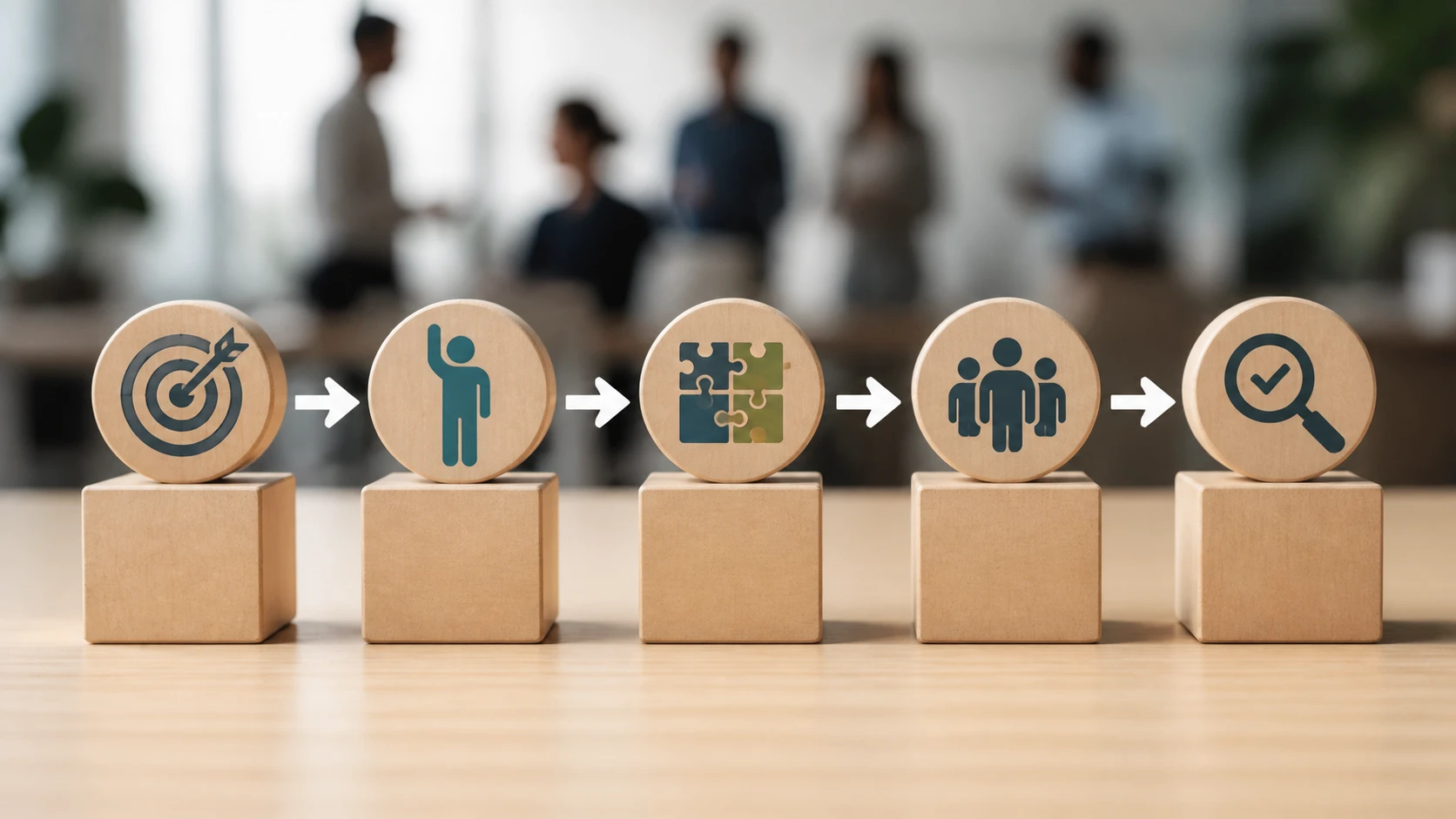
If your program cannot answer all five, it is probably too thin to change workplace habits.
What the evidence says about behavior change
The pattern is clear. Training alone may raise awareness, but stronger results come from redesigning decisions. A 2025 systematic review found that systemic strategies like standard rubrics, decision protocols, and structured prompts beat attitude-only approaches in high-stakes judgments systematic review findings.
| Redesign move | Why it works |
|---|---|
| Structured interviews | Cuts gut-feel judgments |
| Work sample tests | Focuses on actual skill |
| Batch comparisons | Reduces stereotype-based picks |
Harvard’s evidence-based workplace practices points in the same direction. The best programs add checklists, scorecards, and manager accountability. Awareness still matters. It just works better when the process changes too.
Also Read: https://amplifydei.com/resources/
What HR teams should measure before calling a program successful
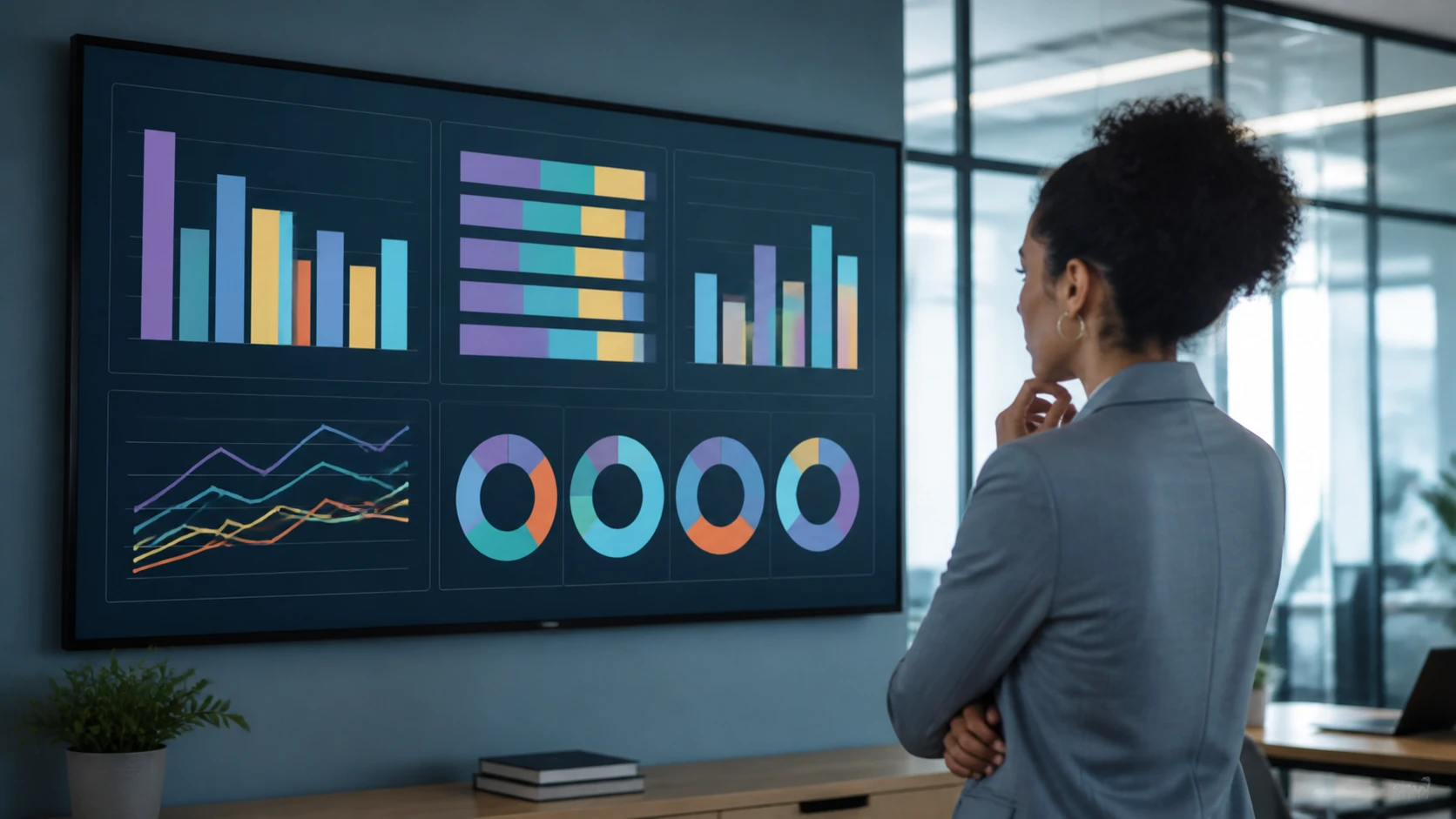
Attendance is easy to count. It is also a weak success metric. HR should track what changed after the program across the talent cycle, not just who showed up. SHRM notes that stronger organizations monitor equity across hiring, promotion, pay, development, and retention, not only recruiting or new hires regularly monitor DE&I data.
- Shortlist and hiring rates by group
- Promotion and stretch assignment access
- Performance rating gaps
- Retention and exit themes
- Employee survey scores on fairness, belonging, and trust
Bias awareness works best as one tool inside a wider system. Research reviews show structural interventions often beat awareness alone, and targeted training tied to real decisions can improve outcomes systematic review of interventions.
Use a simple mix:
- Awareness training for shared language
- Structured hiring and promotion rubrics
- Manager checks before key people decisions
- Regular data reviews with action owners
Ready to move past one-off bias training? Amplify DEI helps leaders build practical, lasting awareness programs that change workplace habits.
Frequently Asked Questions
Q1: What are the latest insights and strategies for increasing unconscious bias awareness in 2026?
Use short, repeated learning tied to hiring, feedback, and promotion decisions. Pair awareness with behavior checks, manager practice, and clear accountability. One-off sessions fade fast.
Q2: How can organizations measure and effectively counteract unconscious bias in diverse workplace environments?
Track promotion rates, performance scores, interview outcomes, and exit data by group. Then audit patterns, train decision-makers, and fix weak points in systems, not just attitudes.
Q3: What are proven tactics to implement successful unconscious bias training and boost inclusivity at work?
Focus on real scenarios, manager coaching, and follow-up habits. Good programs build skills like structured interviews, fair feedback, and meeting inclusion. Amplify DEI often stands out by linking training to culture change.
Conclusion
The main lesson is simple: one-off bias training is weak on its own. Recent evidence points to broader, measured, system-level fixes, as shown in a 2026 field experiment and the MAIBE framework.